

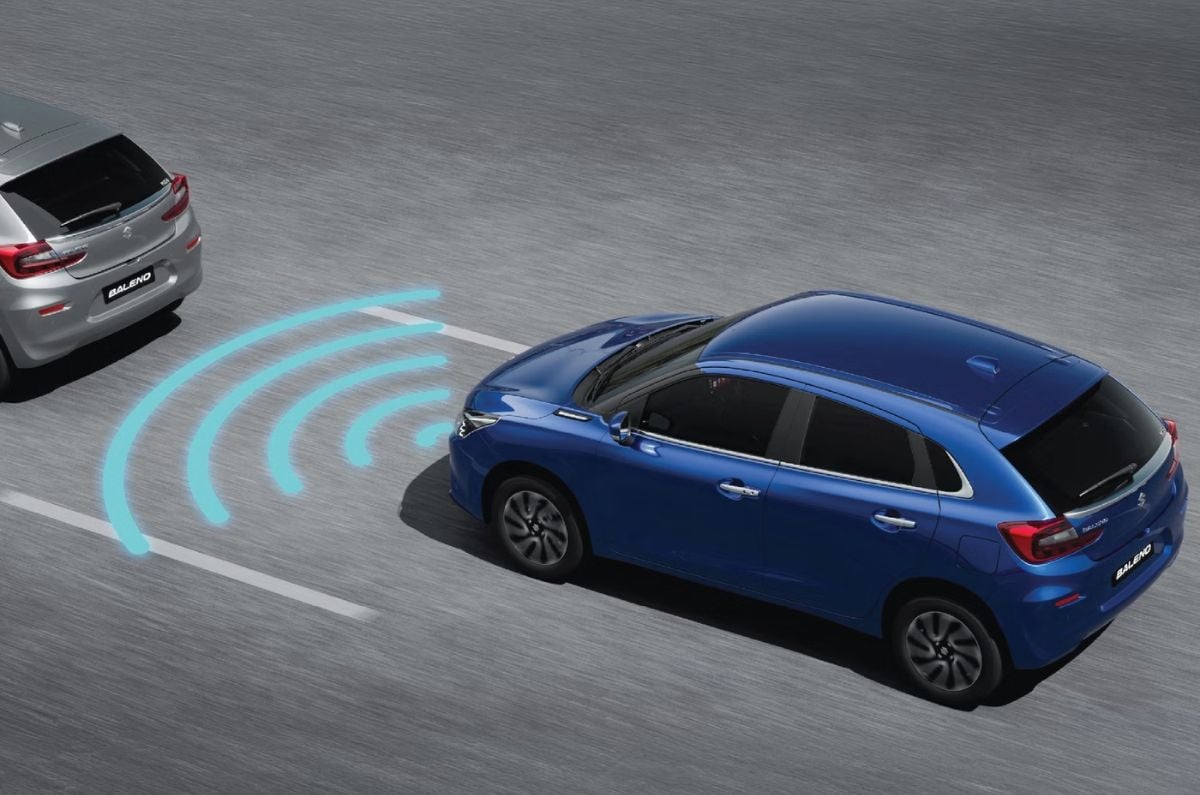
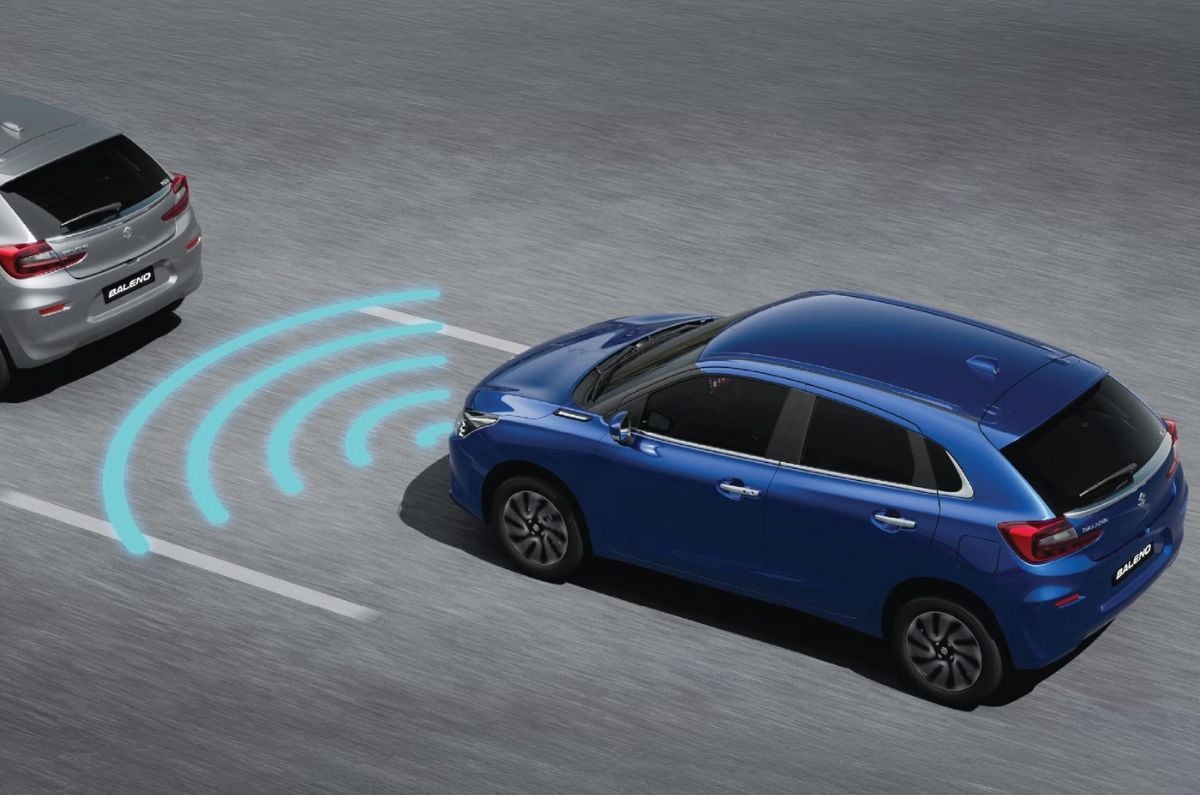
Suzuki is planning to make core ADAS functions standard across its future India line-up, including affordable cars, as it develops a lower-cost system suited to Indian road conditions. The aim is to offer greater access to accident prevention. “Fitting expensive advanced driver assistance systems (ADAS) only to a few luxury cars does not reduce accidents across society,” said Katsuhiro Kato, Suzuki’s chief technology officer, at the company’s recent technology strategy briefing, citing more than 1.77 lakh road accident fatalities in India in 2024.
- Proposed system’s cameras and AI tech to eliminate the need for a front radar
- Suzuki is also working on lighter bodies designed to protect occupants in crashes
Core ADAS functions to become standard
Kato said Suzuki intends to make safety functions such as automatic emergency braking and lane departure prevention standard, while reserving additional comfort and convenience features for higher variants. The manufacturer describes the approach as “just-right ADAS”, with the system being developed specifically around Indian traffic conditions and the need to keep costs down.
Cameras and AI to eliminate the need for a front radar
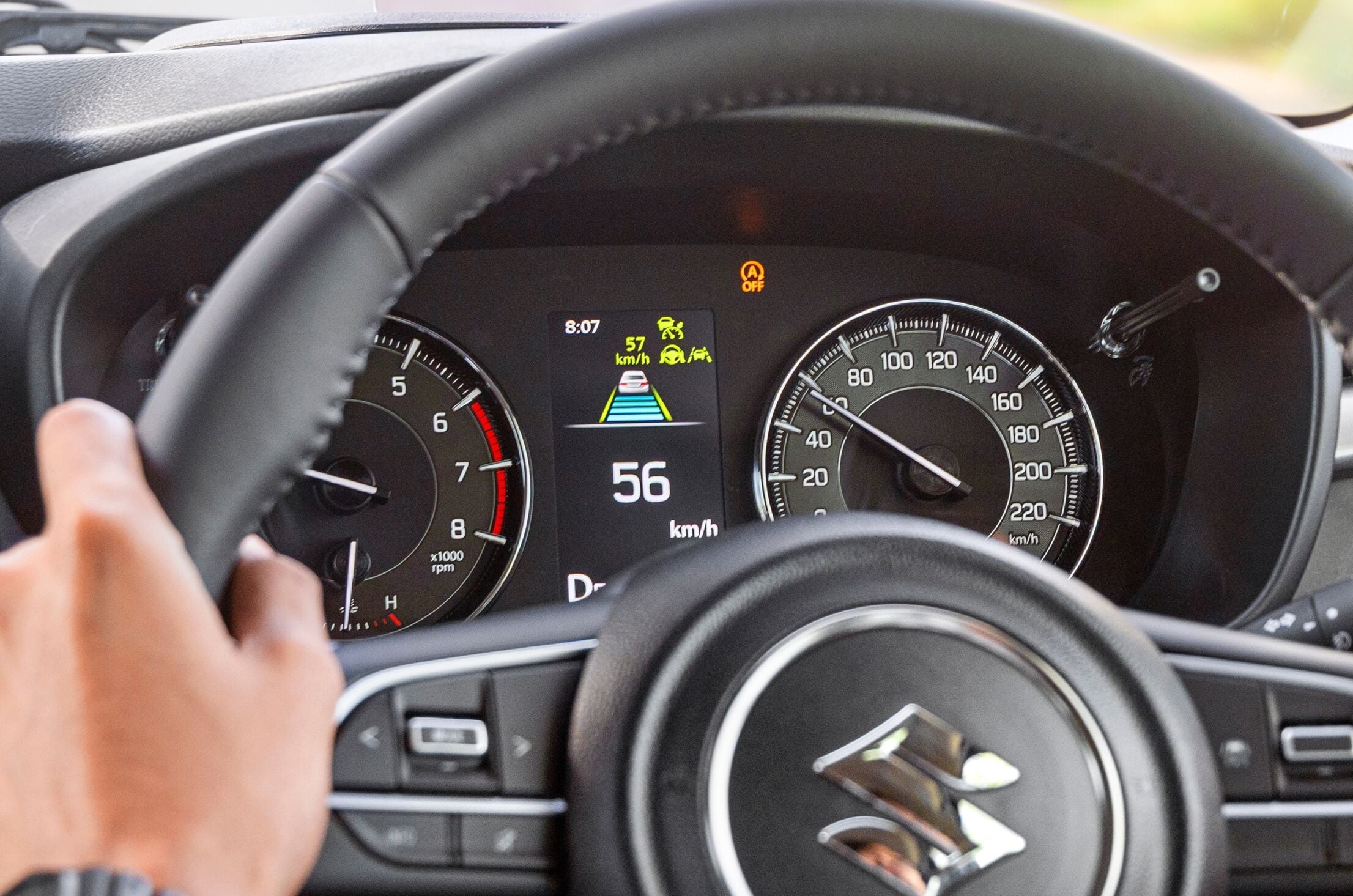
To reduce the cost of the system, Suzuki plans to use high-resolution cameras and AI chips while integrating driver and occupant monitoring with ADAS. The proposed setup will also do away with the front radar sensor. The company says it is targeting “major cost reductions” while maintaining “equal or better safety performance”. These are, however, development targets, and Suzuki has not released performance results for a production version of the system.
The manufacturer says it is approaching vehicle safety from two directions: preventing accidents through ADAS and protecting occupants when a crash occurs. Alongside its electronic safety systems, the company is working on lighter vehicle bodies designed to protect occupants in a collision.
New electronic architecture could cut costs
Suzuki’s ADAS plans form part of its wider “SDV Right” strategy, which aims to simplify the electronic architecture of its future vehicles. The manufacturer plans to combine communication, power distribution and body control functions into a Central Zone ECU. It estimates that this controller could cost around 30 percent less and weigh about 15 percent less than its conventional arrangement.
The carmaker has not yet announced which models will get the new ADAS system or when it will be introduced. In the small-car segment, the Baleno is currently Maruti Suzuki’s most affordable model to offer an ADAS suite, which was introduced with its recent facelift. The technology is currently not offered by any of its premium hatchback rivals.
With inputs from Kiran Murali
 Range Rover Sport Electric revealed with up to 609km range
September 29, 2026
Range Rover Sport Electric revealed with up to 609km range
September 29, 2026
 Mahindra Formula E retains de Vries, Mortara
September 29, 2026
Mahindra Formula E retains de Vries, Mortara
September 29, 2026
 Supreme Court suggests adding unpaid traffic challans to electricity bills
September 29, 2026
Supreme Court suggests adding unpaid traffic challans to electricity bills
September 29, 2026
 Yamaha R15 M variant to be discontinued
September 29, 2026
Yamaha R15 M variant to be discontinued
September 29, 2026
 Volkswagen ID Tiguan EV debut in October
September 29, 2026
Volkswagen ID Tiguan EV debut in October
September 29, 2026
 Ultraviolette Shockwave to get a new 100V architecture
September 29, 2026
Range Rover Sport Electric revealed with up to 609km range
September 29, 2026
Ultraviolette Shockwave to get a new 100V architecture
September 29, 2026
Range Rover Sport Electric revealed with up to 609km range
September 29, 2026
 Former American Idol contestant and pastor found guilty of murdering wife
September 29, 2026
Former American Idol contestant and pastor found guilty of murdering wife
September 29, 2026
 More than 400 detained as France student protests escalate
September 29, 2026
More than 400 detained as France student protests escalate
September 29, 2026
 AMD acquires World Labs AI startup, upping the ante against Nvidia
September 29, 2026
5 New Sites Added To India's UNESCO Tentative List For World Heritage
September 29, 2026
AMD acquires World Labs AI startup, upping the ante against Nvidia
September 29, 2026
5 New Sites Added To India's UNESCO Tentative List For World Heritage
September 29, 2026
 Trump rules out joint US-China venture to develop AI
September 29, 2026
Trump rules out joint US-China venture to develop AI
September 29, 2026