

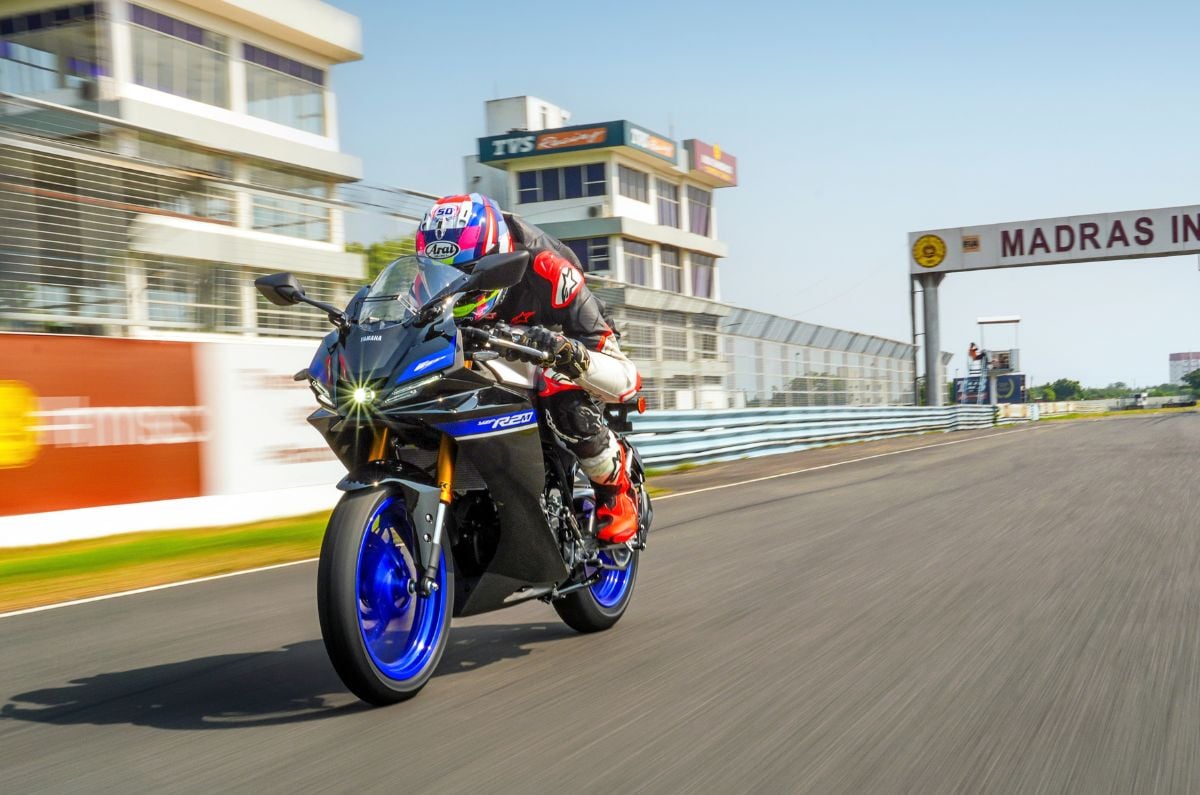
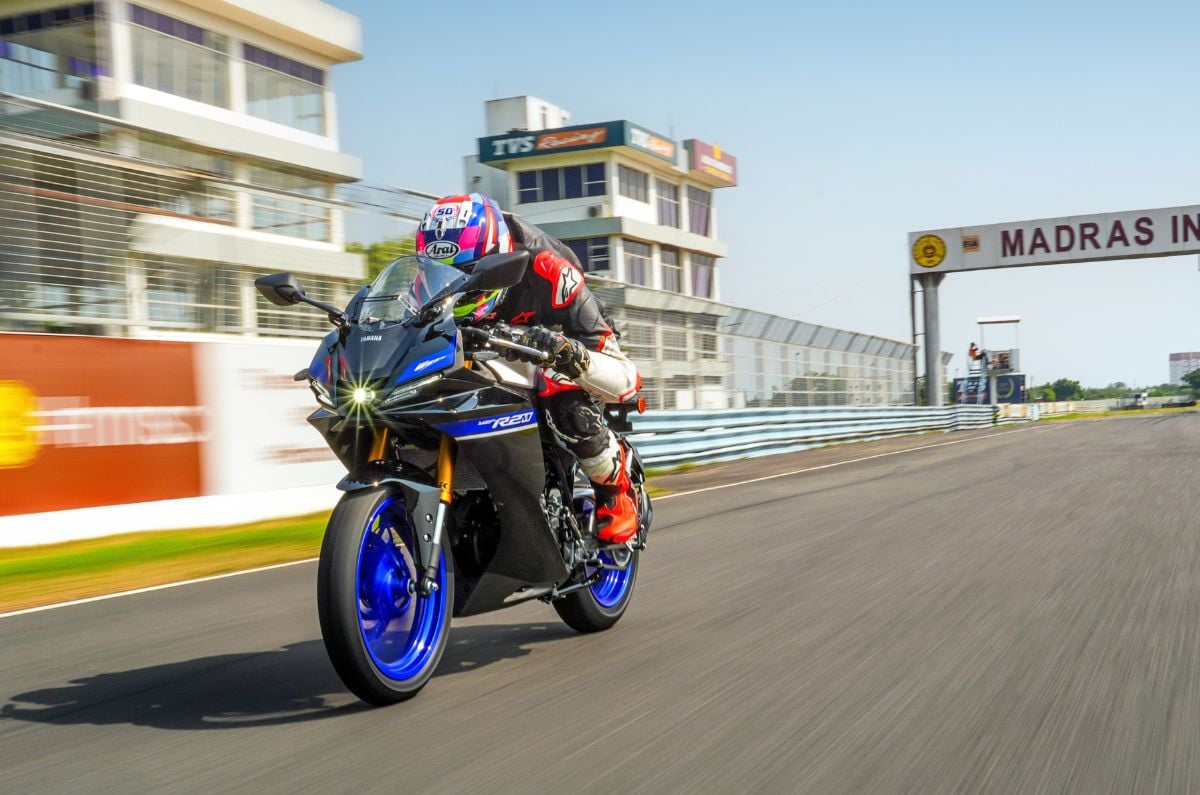
The internet has expressed considerable concern in the month following the launch of the new R2, that it has lost some of the key elements that made the R15 such a standout. While I agree that the lack of the deltabox frame and the removal of the variable valve timing system, don’t make for great viewing on a spec sheet, they also don’t dictate what makes for a great riding experience. Yamaha recently gave us a brief chance to experience the R2 on the Madras International Circuit and, I’m happy to confirm that that authentic Yamaha R experience is still very much intact.
Yamaha R2 Riding position and Seat height –
| Specifications | Values |
|---|---|
| Seat height | 810 mm |
| Adjustable seat height | No |
| Wheelbase | 1340 mm |
| Ground Clearance | 170 mm |
The familiar Yamaha feeling set in from the moment we swung a leg over the bike. The ergos have been tweaked very slightly, but the overall riding position is still very similar to the R15. The biggest difference for me was that the tank looks and feels bigger. Shorter riders will be pleased that the seat height has been reduced from 815mm to 810mm, but tall riders won’t feel horribly hemmed in either. I’m 6’1” and while I certainly won’t call it spacious, there was just enough room for me to get into a full race crouch.
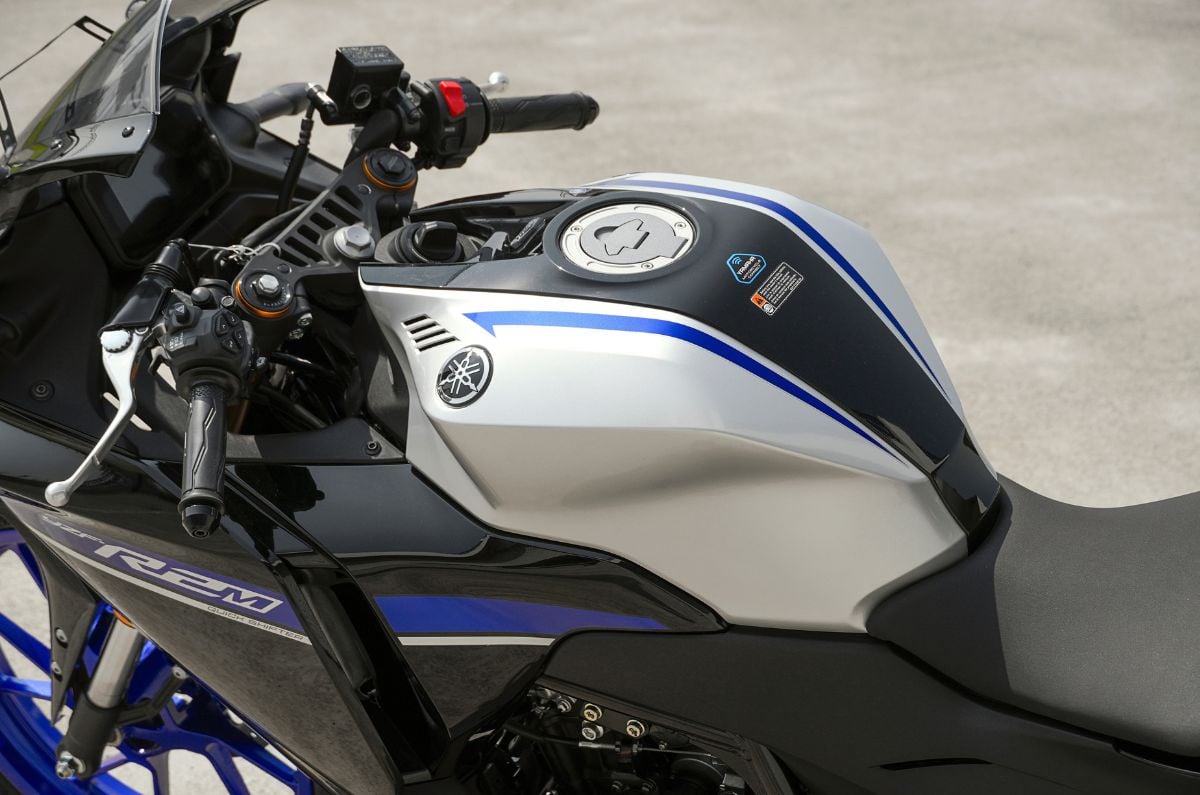
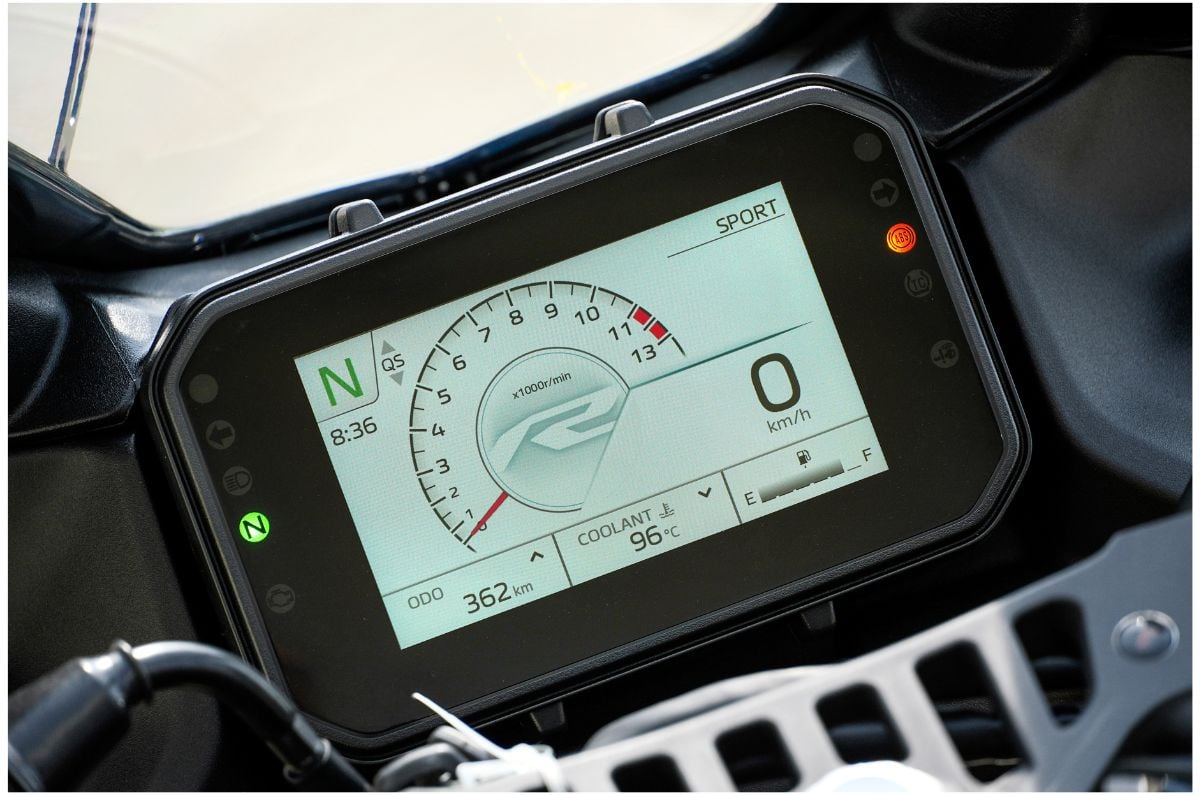
In the pitlane, the engine felt very similar with a soft response at the accelerator at low revs. The bike now has ride-by-wire which has unlocked three riding modes as well as a custom mode where accelerator response and TC level (3 levels) can be set. Given that we had just 15 minutes of track time, I left it in Sport mode and had no issues – throttle response was smooth and predictable and TC didn’t get intrusive in the short time we had.
Yamaha R2 Engine and Performance –
| Specifications | Values |
|---|---|
| Engine Displacement | 204 cc |
| Cooling | Liquid Cooled |
| Engine Type | 1 cylinder |
| Max Engine Power | 26.5 PS @ 10000 rpm |
| Max Engine Torque | 19.1 Nm @ 8000 rpm |
| Number of Gears | 6 |
While there’s no VVA, this new 204cc single-cylinder DOHC engine still loves to rev and it still has an exciting “switch on” moment at around 7,000rpm. From what I could tell on the cool down lap, the engine is tractable, but the bottom end does feel quite weak. With the throttle wide open, the engine starts to pull at around 6,000rpm and really picks up once the digital needle on the 5-inch TFT display crosses the 7,000rpm mark. The segment leading 26.5hp peak power figure comes in at 10,000rpm, but the engine spins up all the way to 11,000rpm.
Performance is a big step ahead of the R15 and I’m quite sure this will be quicker than its 200cc rivals while potentially being quicker than a few 250s as well. I saw just over 140kph on the track in 6th gear and top speed should be somewhere between 155-160kph on the display. This performance edge is fair to expect given that the R2 weighs a good deal less than its rivals (more on that later), but what was a surprise was the high rpm refinement.
You start to feel a buzz at around 7,000rpm and this becomes very noticeable in the bars, fuel tank and footpegs at the upper-most reaches of the rev band. We’re keen to observe how this translates to the road riding experience, especially since it was never a concern on the R15.
Yamaha R2 Chassis and Handling –
| Specifications | Values |
|---|---|
| Chassis type | Backbone frame, High-tensile steel |
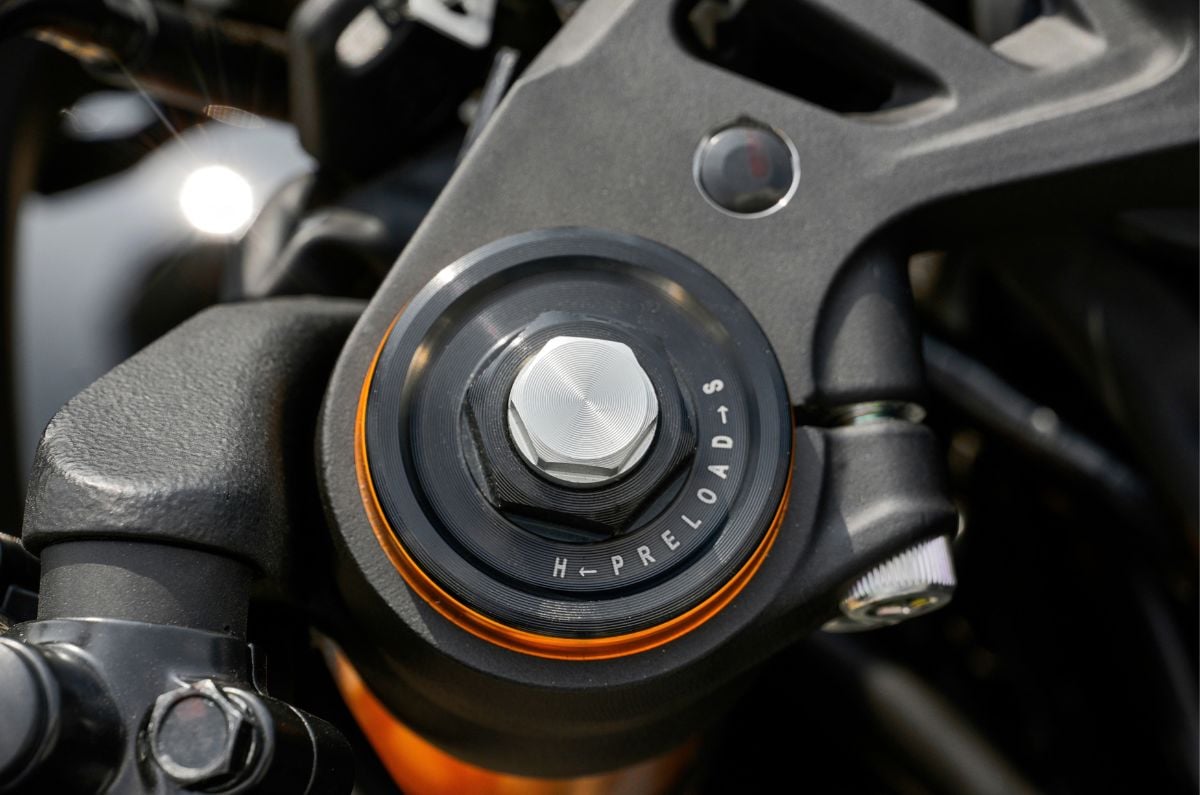
| Front Suspension Type | Telescopic Upside Down Fork (USD Fork), 37.0 mm |
| Front Suspension Adjustability | Yes |
| Rear Suspension Type | Linked-Type Monocross Suspension |
| Rear Suspension Adjustability | Yes |
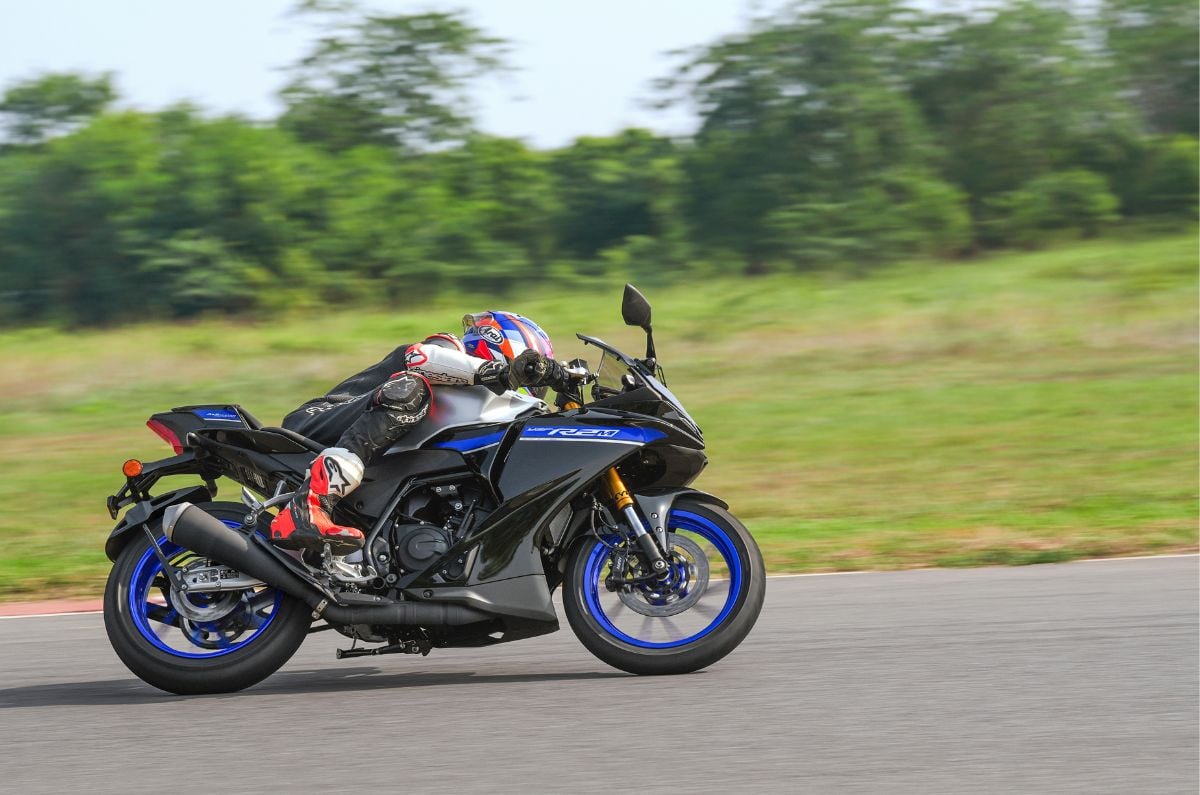
Handling wise, I’m pleased to report that this is a very capable, light, agile and sweetnatured sportbike, much like its younger sibling. While Yamaha does call this new chassis a tubular diamond frame, it’s nothing like what you’ll find on a commuter motorcycle and is a comprehensive thing with almost trellis-like reinforcing members along the side. Perhaps a professional racer might be able to tell any stiffness differences to the Deltabox in the R15, but as far as I’m concerned, this is a fabulous handler and is exactly what I’d expect from a small Yamaha sportbike.
Weighing in at 149kg (150kg for the M we were riding) the R2 still feels like a delightful light and flickable motorcycle, but you will notice the 9kg difference to an R15 when ridden back to back, particularly at a GoKart track. Just like an R15, it never feels nervous or skittish and you can trust the bike to respond as expected.
Yamaha R2 Tyres and brakes –
Need better feedback
| Specifications | Values |
|---|---|
| Front Tyre Size | 100/80-17 M/C 52S |
| Rear Tyre Size | 140/70R17 M/C 66H |
| Front Disc/Drum Size | 282 mm |
| Rear Disc/Drum Size | 220 mm |
Where the trust factor can improve is in the tyres. The R2 uses the same MRF tyres as the R15 and while they were adequate on track (I lowered the pressures by about 6PSI), they didn’t give me the confidence to search for the limits of adhesion. The front brake also has a similarly spongy feel to the R15, even with that new radial front caliper. While it’s a sensation you need to get used to, the actual stopping performance is fine and I never felt doubt when braking into corners.
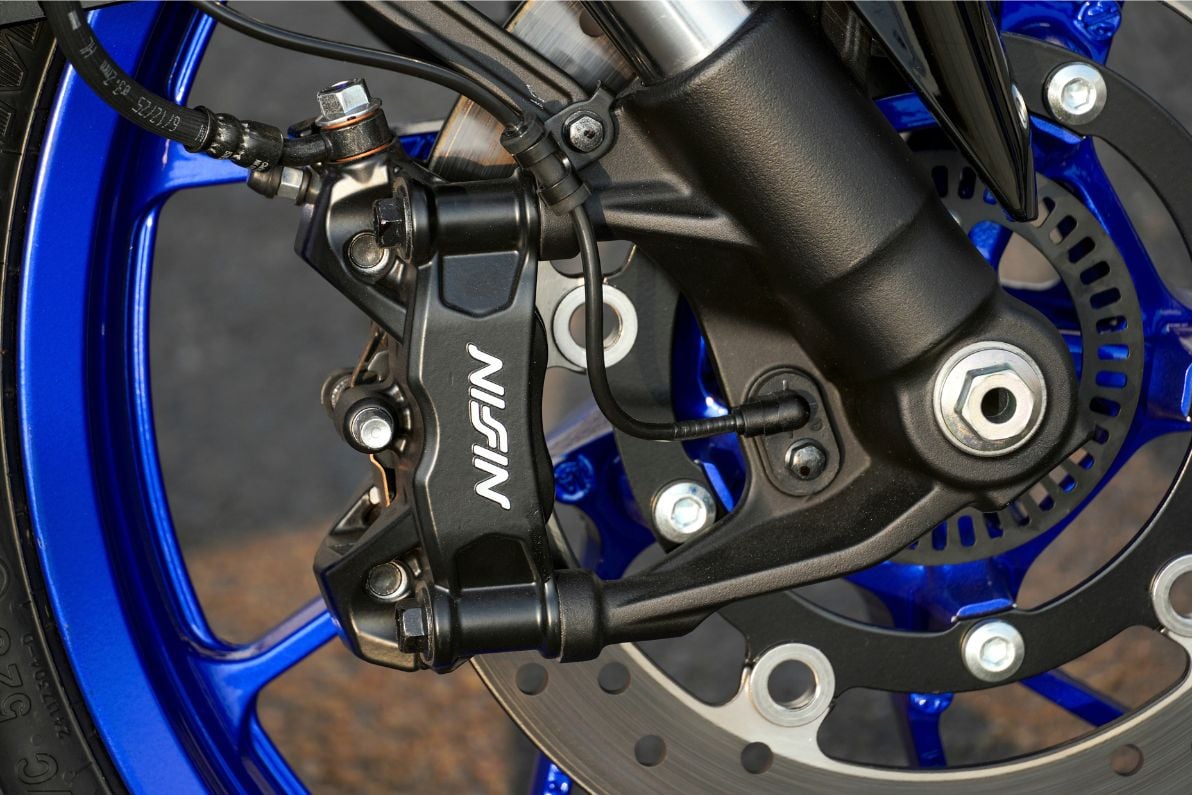
The main dynamics-related complaint I had was that there was some ABS intrusion in hard braking zones, and there’s not much you can do about that, short of pulling a fuse to deactivate the system. The intrusion wasn’t excessive, but it could become more problematic if we had more time to ride over the day, which would have meant an increased pace.
Yamaha R2 Design and Quality –
Yamaha R2 Price and Verdict –
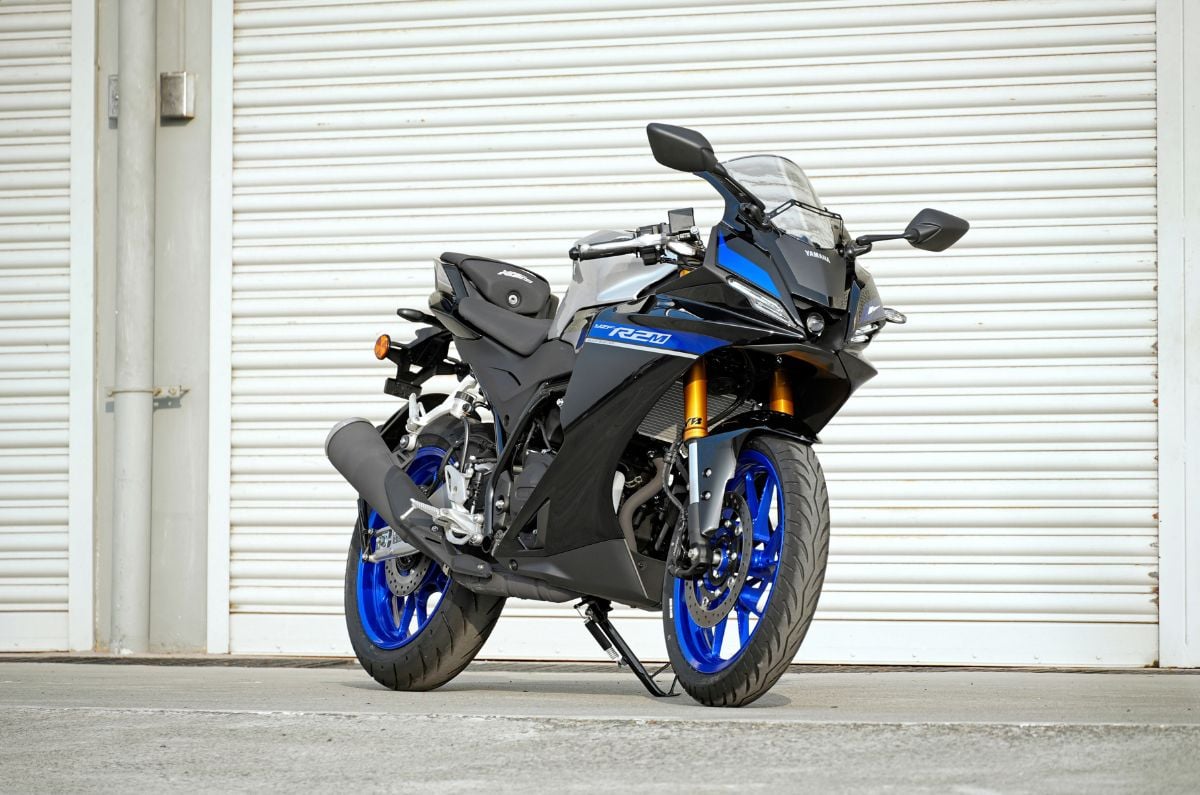
Yamaha R sportbikes have always been expensive and the R2 is no exception. At Rs 2.3-2.53 lakh ex-showroom it commands the kind of money that can get you much more powerful premium motorcycles like the Guerilla 450 Apex and Triumph Tracker 400. It’s very good at what it does, but I think it should have been a little more affordable.
Nevertheless, the R2 is a welcome addition to the Yamaha line-up in India and more bikes will follow on this platform. That being said, we hope to see more action from Yamaha in the locally manufactured premium bike space, because the step up from the R15 is too small and Yamaha is likely to continue to lose many of its existing R15 customers once they are ready to upgrade to a bigger motorcycle.
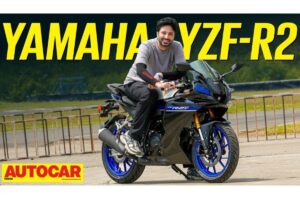 Yamaha YZF-R2M Review: It's good, but is it good enough?
October 1, 2026
Yamaha YZF-R2M Review: It's good, but is it good enough?
October 1, 2026
 3 reasons to buy the Renault Triber Turbo and 3 reasons not to
October 1, 2026
3 reasons to buy the Renault Triber Turbo and 3 reasons not to
October 1, 2026
 Simple OneS discontinued
October 1, 2026
Simple OneS discontinued
October 1, 2026
 CEER Exobot SUV and Exobot Sedan walkaround video
September 30, 2026
CEER Exobot SUV and Exobot Sedan walkaround video
September 30, 2026
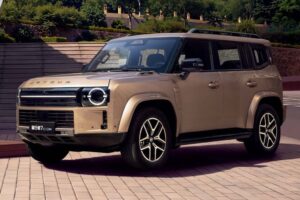 Jetour T2 facelift goes on sale internationally
September 30, 2026
Jetour T2 facelift goes on sale internationally
September 30, 2026
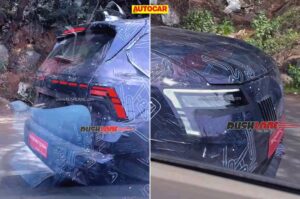 Upcoming Nissan 7-seater SUV spied testing
September 30, 2026
Upcoming Nissan 7-seater SUV spied testing
September 30, 2026
 துண்டு துண்டாக வெட்டப்பட்டு கால்வாயில் வீசப்பட்ட பெண் – 'மயில் இறகு டாட்டூ' கொலை மர்மத்தை உடைத்தது எப்படி?
October 1, 2026
துண்டு துண்டாக வெட்டப்பட்டு கால்வாயில் வீசப்பட்ட பெண் – 'மயில் இறகு டாட்டூ' கொலை மர்மத்தை உடைத்தது எப்படி?
October 1, 2026
 ஃப்ளைதுபாய் விமானம்: இந்திய விமானி ஸ்மித் என்ன செய்தார்? டிரம்ப் முதல் நெதன்யாகு வரை 'ஹீரோ' என பாராட்டு
October 1, 2026
ஃப்ளைதுபாய் விமானம்: இந்திய விமானி ஸ்மித் என்ன செய்தார்? டிரம்ப் முதல் நெதன்யாகு வரை 'ஹீரோ' என பாராட்டு
October 1, 2026
 A family affair! How Jack and Kevin Sinfield will live out fairy tale Grand Final moment
October 1, 2026
A family affair! How Jack and Kevin Sinfield will live out fairy tale Grand Final moment
October 1, 2026
 'Could be in the first round' – AJ plots 'spectacular' win over Fury
October 1, 2026
'Could be in the first round' – AJ plots 'spectacular' win over Fury
October 1, 2026
 'I find myself defending you!' – For how long will Fury-AJ stay friendly?
October 1, 2026
'I find myself defending you!' – For how long will Fury-AJ stay friendly?
October 1, 2026
 காணொளி: ஹிஜாப் அணியாத பாடகருக்கு 74 சவுக்கடிகளை உறுதிசெய்த இரான் நீதிமன்றம்
October 1, 2026
காணொளி: ஹிஜாப் அணியாத பாடகருக்கு 74 சவுக்கடிகளை உறுதிசெய்த இரான் நீதிமன்றம்
October 1, 2026