

The spatial consequences of urban form are revealed when health outcomes are mapped over neighborhoods. Neighborhoods that support walking, daily errands, social interaction, and access to essential services create opportunities to incorporate physical activity into routine tasks. Places that are organized around long distances and automobile travel suppress this opportunity. Physical activity and the motivation to incorporate it into daily life are shaped by the distance to a grocery store, the safety of a pedestrian crossing, the frequency of public transportation, the width of a sidewalk, and the quantity of services within walking distance.
More in Architecture
Rain Rhizome / TANAT + Rizoma del Agua
September 4, 2026
Doutor Leite Lopes State Airport / Bacco Arquitetos Associados
September 4, 2026
Perichón House / ODB Arquitectos
September 4, 2026
Encontros Sculpture / Estudio Guto Requena
September 4, 2026
210 South 12th Building / RSHP
September 4, 2026
Pracownia – The Workshop / ACOS (A Collection of Stories)
September 4, 2026
Latest News
 Seven months pregnant and on the podium
September 6, 2026
Seven months pregnant and on the podium
September 6, 2026
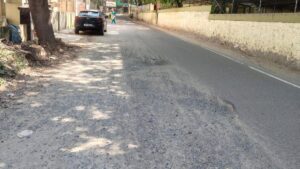 Civic disarray at school zone in Chromepet
September 6, 2026
Civic disarray at school zone in Chromepet
September 6, 2026
 The Hindu’s former Chief Personnel Manager dies
September 6, 2026
The Hindu’s former Chief Personnel Manager dies
September 6, 2026
 வீட்டுக்கு வீடு விற்பனை.. 27 சதவீத ஆஃபரில் 32 இன்ச் டிவி.. டால்பி அட்மோஸ்.. எச்டிஆர் 10பிளஸ்.. எந்த மாடல்?
September 6, 2026
US envoys Witkoff, Kushner arrive in Kiyv after Putin talks
September 6, 2026
Best Gaming Laptops Under Rs. 1.5 Lakh in India
September 6, 2026
வீட்டுக்கு வீடு விற்பனை.. 27 சதவீத ஆஃபரில் 32 இன்ச் டிவி.. டால்பி அட்மோஸ்.. எச்டிஆர் 10பிளஸ்.. எந்த மாடல்?
September 6, 2026
US envoys Witkoff, Kushner arrive in Kiyv after Putin talks
September 6, 2026
Best Gaming Laptops Under Rs. 1.5 Lakh in India
September 6, 2026