


2 min read
NASA’s Hubble Seeks Lensed Supernova, Marks 200,000 Orbits

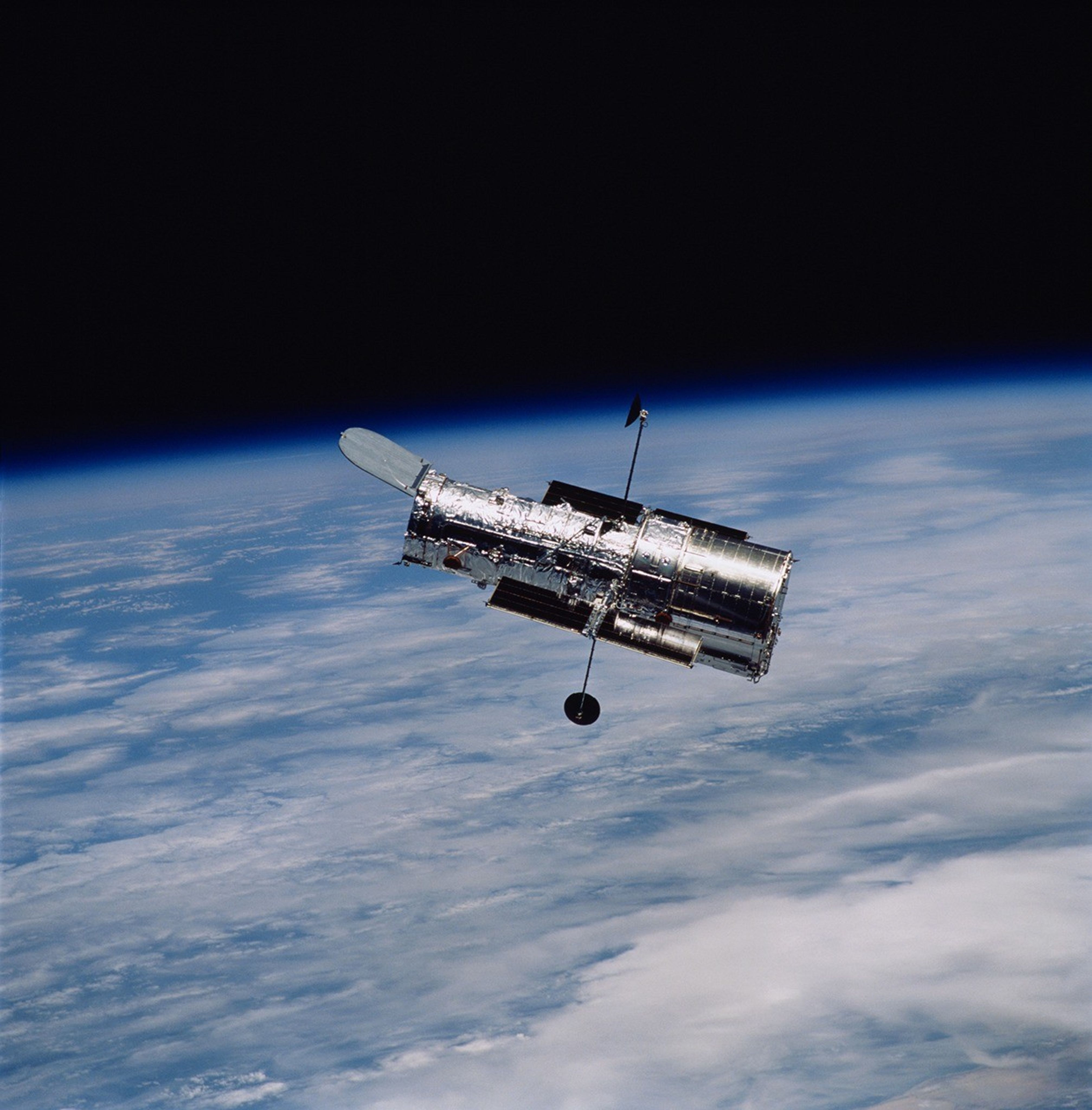
NASA’s Hubble Space Telescope completed its 200,000th orbit around Earth on Sept. 19, marking another new milestone for an observatory that continues to transform our understanding of the universe.
Hubble has traveled more than 5 billion miles around Earth over its 36-year lifetime, exceeding 1.7 million total observations. An observation completed on the day of the 200,000th orbit pertains to one of Hubble’s defining scientific legacies: measuring the expansion rate of the universe, or the Hubble Constant. The image takes advantage of the telescope’s ability to return to the same regions of the sky over time to monitor for the reappearance of a supernova, or explosion of a star, called Athena.
Massive galaxy cluster MACS J0417, located at the left center of the image, acts as a gravitational lens, bending and magnifying light from objects far behind it. Light from a supernova can reach Earth along multiple paths, causing the same stellar explosion to appear more than once at times separated by months or even years depending on the path it took. Supernova Athena, discovered by NASA’s James Webb Space Telescope in 2025, is predicted to reappear between now and early March 2027. Measuring the timing of Athena’s reappearances can help researchers map the mass of MACS J0417, which acts as a magnifying, foreground lens for distant objects, and refine our understanding of the expansion rate of the universe.
After more than 36 years in space, Hubble still is reaching new heights of scientific productivity and impact. Hubble’s unique ability to observe and analyze light in ultraviolet and visible wavelengths complements NASA’s James Webb and Roman Space Telescopes’ capabilities. As a result, demand for Hubble observing time remains high as astronomers request about seven times as much observing time as is available each year.
Hubble continues to observe targets across every area of astronomy around the clock, with real-time tracking of those observations available on NASA’s website.
Media Contact:
Claire Andreoli
NASA’s Goddard Space Flight Center, Greenbelt, MD
claire.andreoli@nasa.gov
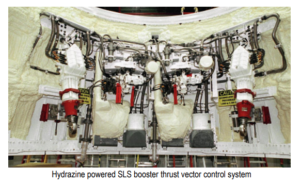 Risk of Hydrazine Use Following Freeze–Thaw Exposure
September 23, 2026
Risk of Hydrazine Use Following Freeze–Thaw Exposure
September 23, 2026
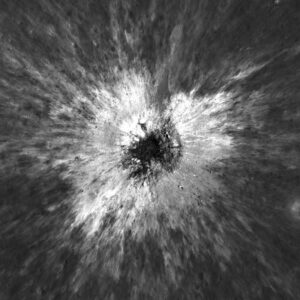 APOD: 2026 September 23 – A New Lunar Crater: McGetchin
September 23, 2026
APOD: 2026 September 23 – A New Lunar Crater: McGetchin
September 23, 2026
 Boom Year for Desert Blooms
September 23, 2026
Boom Year for Desert Blooms
September 23, 2026
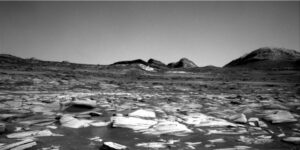 Curiosity Blog, Sols 5010-5015: Checking out the Bands
September 23, 2026
Curiosity Blog, Sols 5010-5015: Checking out the Bands
September 23, 2026
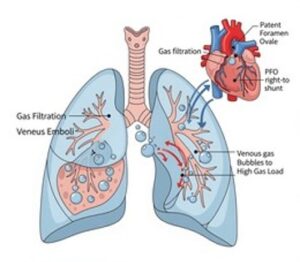 Risks of Decompression Sickness and Venous Thromboembolism during Spaceflight and Patent Foramen Ovale Implications
September 22, 2026
Risks of Decompression Sickness and Venous Thromboembolism during Spaceflight and Patent Foramen Ovale Implications
September 22, 2026
 NASA-Funded Research Finds Complex Life Defying Record Heat
September 22, 2026
NASA-Funded Research Finds Complex Life Defying Record Heat
September 22, 2026
 Disney+ and Hulu Raise Prices, With Ad-Free Plans Topping $21 Each
September 23, 2026
Disney+ and Hulu Raise Prices, With Ad-Free Plans Topping $21 Each
September 23, 2026
 Khloé Kardashian on ‘The Girls’ Future, ‘The Kardashians’ Longevity and Her Sephora Fragrances
September 23, 2026
Khloé Kardashian on ‘The Girls’ Future, ‘The Kardashians’ Longevity and Her Sephora Fragrances
September 23, 2026
 YouTube Extends Deal to Stream Coachella Through 2030
September 23, 2026
Risk of Hydrazine Use Following Freeze–Thaw Exposure
September 23, 2026
YouTube Extends Deal to Stream Coachella Through 2030
September 23, 2026
Risk of Hydrazine Use Following Freeze–Thaw Exposure
September 23, 2026
 ரஜினிகாந்த், சூர்யாவுடன் மோதவில்லை.. ஓம் ரிலீஸ் தேதியை ஒத்திவைத்த தனுஷ்
September 23, 2026
ரஜினிகாந்த், சூர்யாவுடன் மோதவில்லை.. ஓம் ரிலீஸ் தேதியை ஒத்திவைத்த தனுஷ்
September 23, 2026
 Taylor Swift Announces ‘Encore’ Edition of ‘Life of a Showgirl’ With Four New Songs
September 23, 2026
Taylor Swift Announces ‘Encore’ Edition of ‘Life of a Showgirl’ With Four New Songs
September 23, 2026