

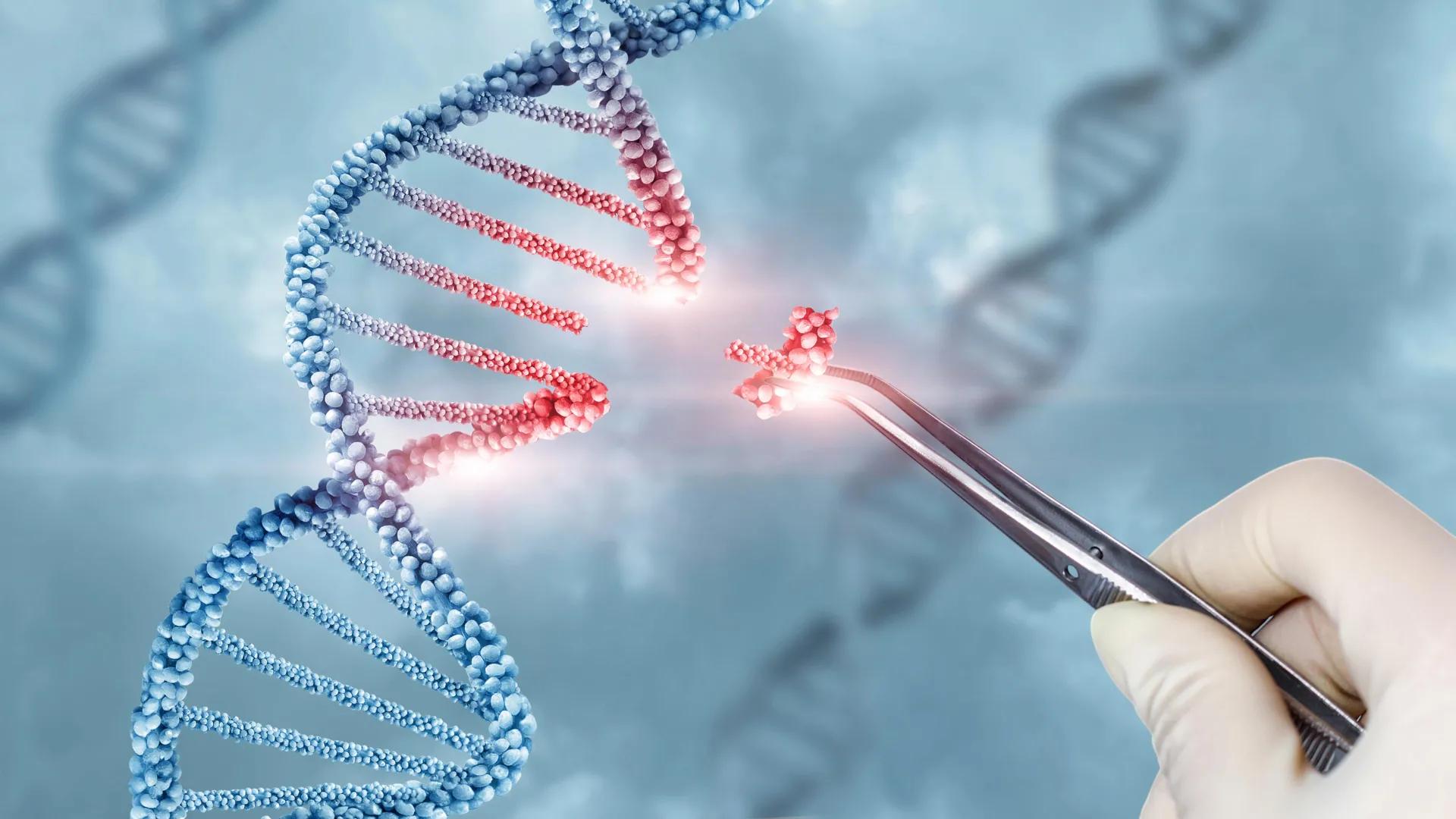
A single gene-editing treatment could someday protect against heart disease, high cholesterol, and other common conditions for decades, potentially replacing lifelong medications. But scientists warn that permanently altering genes introduces risks that could take years to emerge, making long-term safety a critical challenge.
More in Research
 Scientists trick cancer cells into making the drugs that kill them
November 4, 2026
 A hidden star is plowing through Betelgeuse’s atmosphere, new evidence suggests
November 4, 2026
 Kids who eat more ultra-processed foods show a troubling brain response
November 4, 2026
 The brain’s hidden fear mechanism may explain anxiety and PTSD
November 3, 2026
 A 50-year-old mystery of vanishing frogs reveals a hidden killer
November 3, 2026
 Scientists discover a surprising clue to autism's origins hidden in the placenta
November 3, 2026
Latest News
 US midterm results: How a Democratic Congress could constrain Trump on Iran war, Ukraine policy
November 4, 2026
 Life Certificate: South Western Railway to hold special Jeevan Pramaan camps at 5 Mysuru locations- check details
November 4, 2026
 Historic election night in US: Meet candidates breaking barriers of race, gender and sexuality in midterm polls
November 4, 2026
 US midterms 2026 results: Republican Senator predicts Trump could face impeachment as Democrats take over Congress
November 4, 2026
 Why Indian regulation should look before it leaps—and how impact assessments can help
November 4, 2026
 Wilson, Rodon recalled to Wales squad for Nations League clashes
November 4, 2026