

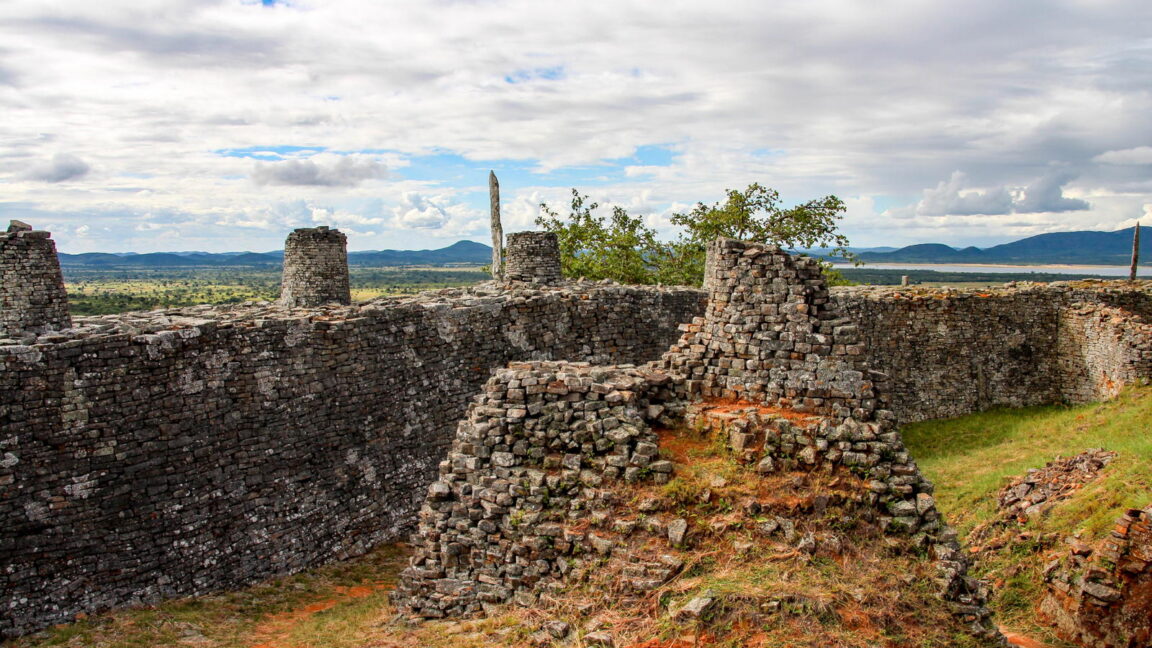
It’s not easy to extract iron from its ore. But the peoples of the ancient city of Great Zimbabwe—the capital of a thriving kingdom in southern Africa between 1000 to 1700 AD—were masters.
At sites near the city’s stone ruins, clusters of iron-smelting furnaces survive today as mounds of rubble. At Mashava, a village 25 miles northwest, fragments bear fingermarks of those who long ago smoothed the structures’ clay interiors.
Some of the furnaces were nearly an adult’s arm span in width, with walls thick and strong to contain the heat of more than 2,100° Fahrenheit needed to smelt iron. Unlike other furnaces that required workers to force air into them with bellows, these were designed to suck air in, then out through a chimney, no human labor required. This would have made it significantly easier to produce the iron, which was fashioned into hoes, axes, and arrowheads.
 The UV-tracking Gem made me rethink how sunlight affects my health, not just my appearance
November 7, 2026
 Discogs’ Kevin Lewandowski can’t live without his AeroPress
November 7, 2026
 Costco members can get $5 off the reimagined Ocarina of Time
November 7, 2026
 NYT Cooking’s AI assistant saved my weeknight chicken, but almost ruined my cake
November 7, 2026
 The US let Nvidia sell chips to an empty office in China
November 7, 2026
 AI broke the cybersecurity world. What’s next?
November 7, 2026
 Missing Teen Saved From Alleged Kidnapper After Seeking Help in Among Us
November 7, 2026
 மொத்தம் 6 டார்க்கெட்.. சவுதியின் இதயத்தில் விழும் அடி.. ருத்ரதாண்டவமாடும் ஹவுதிகள்! பதற்றம்
November 7, 2026
 Chelsea surrender top spot after home draw with Everton
November 7, 2026
 Shaw hat-trick gives five-star Man City dominant win over West Ham
November 7, 2026
 Seventh-tier Guiseley stun Sutton with stoppage-time penalty
November 7, 2026
 National League Carlisle upset League Two leaders Salford
November 7, 2026