

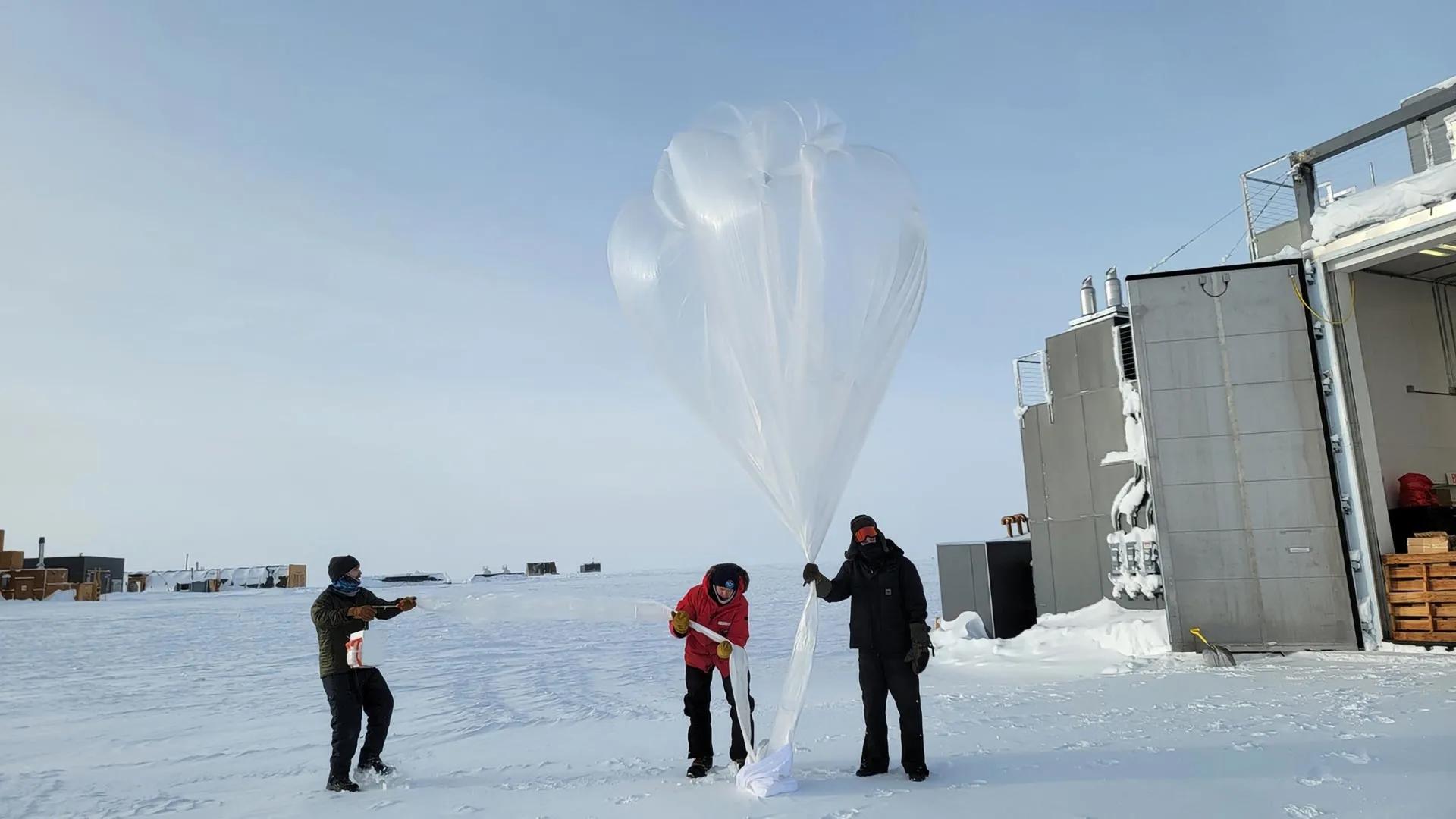
The Antarctic ozone hole expanded to its seventh-largest size on record in 2026, driven by unusual weather conditions that pushed it close to its historic maximum. Scientists say international restrictions on ozone-destroying chemicals prevented even greater damage, and Earth’s protective ozone layer is still recovering.
More in Research
 Common forever chemicals linked to nearly double the rate of aggressive breast cancer
November 12, 2026
 Earth's fiery birth may have created hundreds of oceans' worth of water
November 12, 2026
 Scientists discover a common sugar may help cancer cells break free and spread
November 12, 2026
 A massive new simulation reveals how the universe emerged from darkness
November 12, 2026
 Inside this quantum computer, memory vibrates like a guitar string
November 12, 2026
 NASA’s Parker Solar Probe discovers a hidden pattern in the Sun’s chaotic magnetic fields
November 12, 2026
Latest News
 Hundreds of streaming services and nothing to watch
November 12, 2026
ICC proposes greater control over T20 franchise leagues
November 12, 2026
 IND U19: ஆர்யவீர் சேவாக், கேப்டன் லக்ஷ்யா அதிரடி.. ஆப்கானிஸ்தானை வீழ்த்தி பைனல் சென்ற இந்தியா
November 12, 2026
 ‘Night Vision’ Is a DIY Film About a Mysterious Video Camera, Told in Dream Logic and With ‘Blair Witch Project’ Vibes
November 12, 2026
 Sam Levy, Jamie Ramsay Offer Advice to Up-and-Coming Cinematographers: “What You Guys Do Lives Forever”
November 12, 2026
 McIlroy boosts Race to Dubai hopes as Luiten grabs shock lead
November 12, 2026