

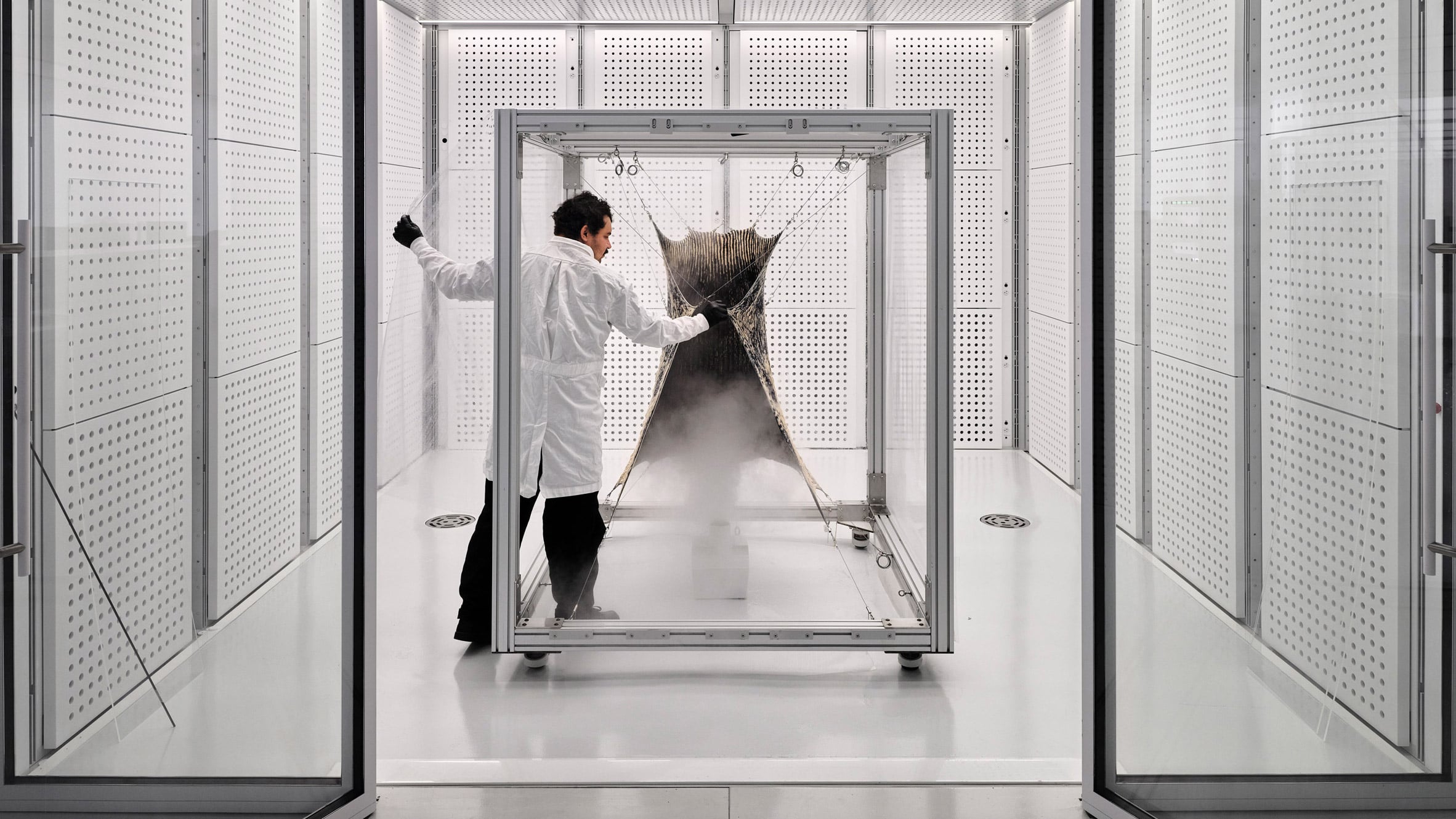
Designer Neri Oxman has created a fabric dyeing concept where a bacterial solution is sprayed onto a 3D-knitted silk textile and left to grow a living culture producing faded indigo and pink pigments.
The project, called Vigils, was developed by the designer’s studio, Oxman, for designers, artists and collaborators to “create new forms of material and aesthetic expression”.
Images

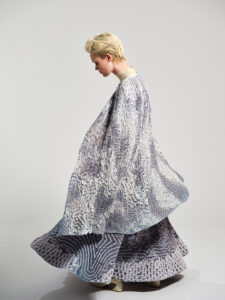
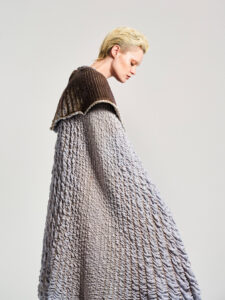
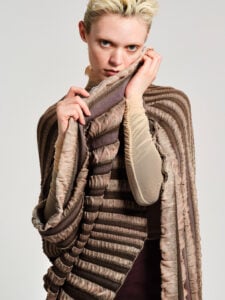
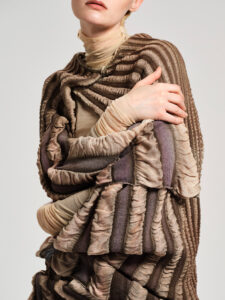
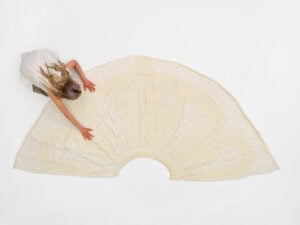
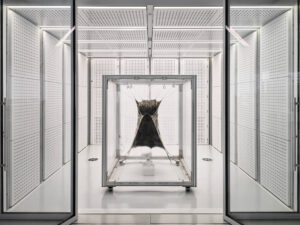
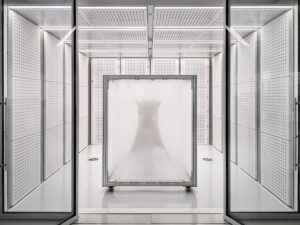
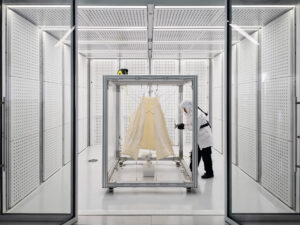

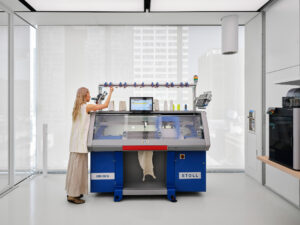
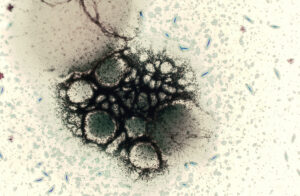
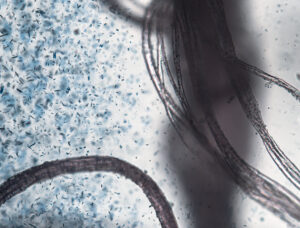
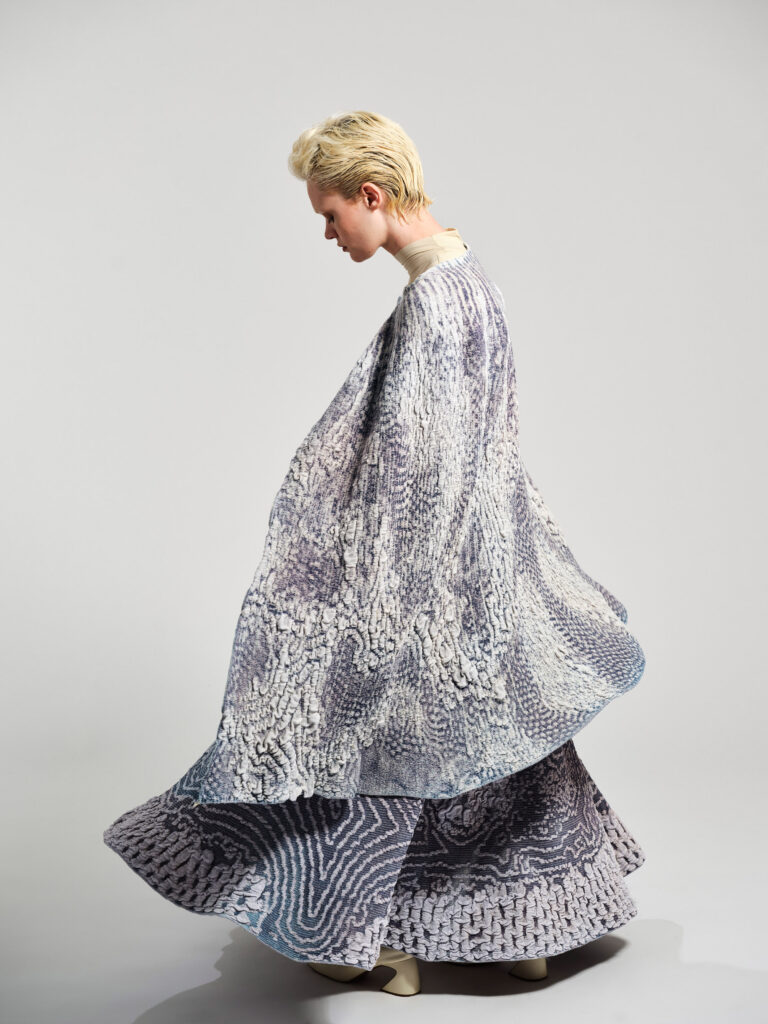
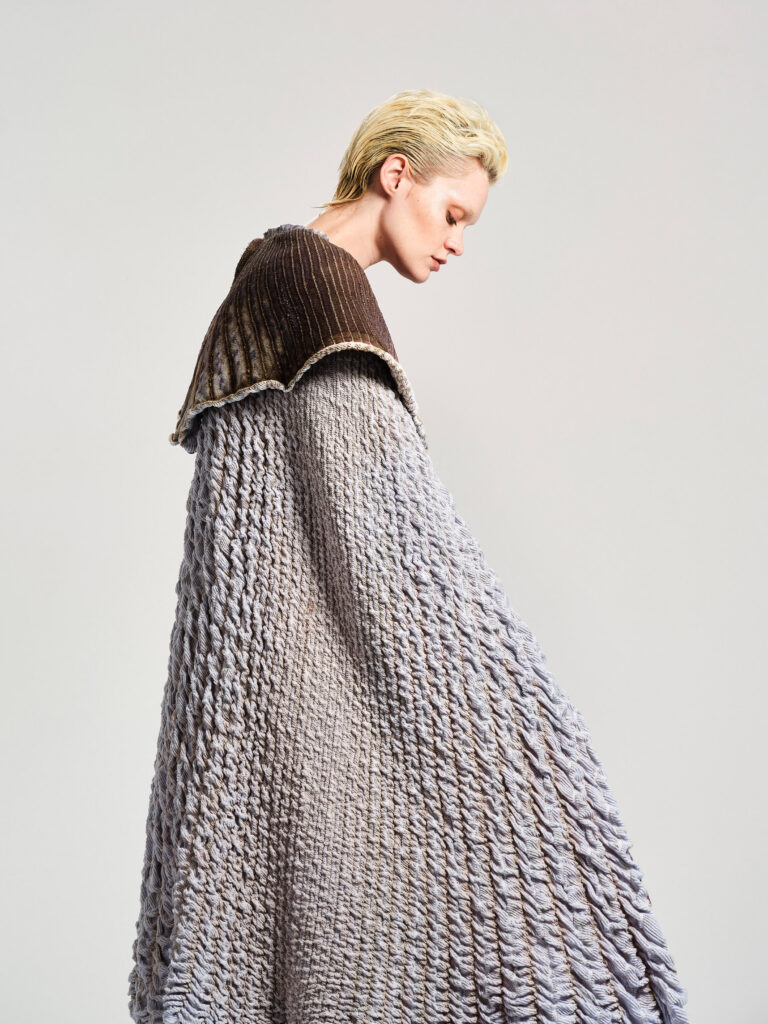
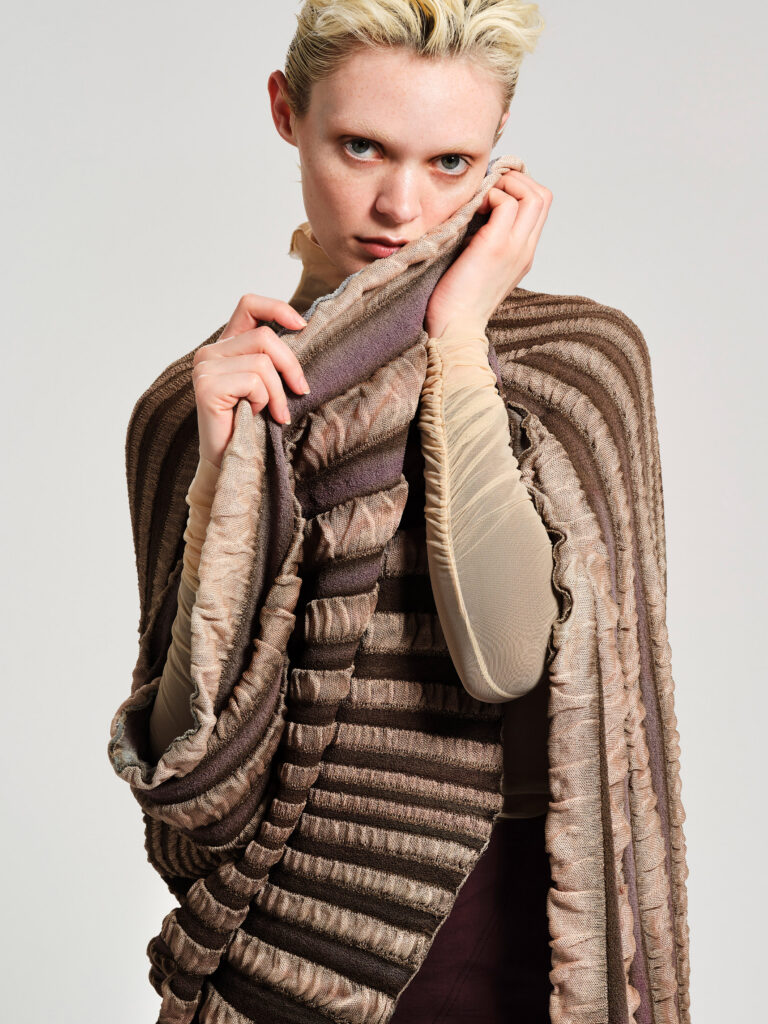
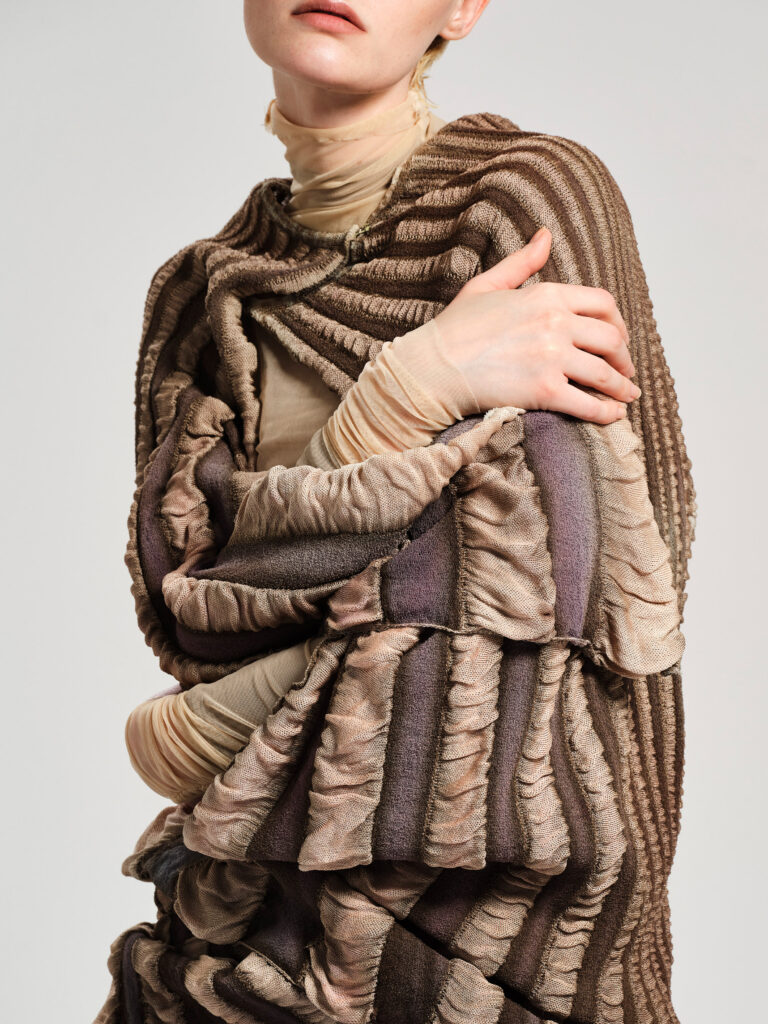
Tussah silk thread within the fabric is coated with “bacterially sensitive chemicals”, which act as “a bioreactor” once mixed with the spray.
The fabric then sits for 24 hours, during which the solution and chemicals begin to interact and eventually produce a living bacterial culture. This organism, “numbering in the billions of cells”, spreads across the fabric, leaving amino acids in its wake, which colour the textile.
For the process, the Oxman lab created a spray solution containing the BL21 strain of Escherichia coli (E. coli), a strain commonly used in biotechnology and synthetic biology research, and sprayed it onto a silk fabric.
Its growth pattern is directed by “where and how densely the designer directed the culture to grow” via the spray, according to the team.
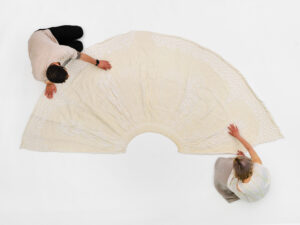
The fabric is then washed and dried, removing the bacteria, but the pigment remains.
“The microorganisms respond to signals associated with the textile substrate, making biological activity an active component of the material process,” said the team. “Vigils is a research-driven exploration of biological textile colouration.”

“The project is intended to investigate the interaction between synthetic biology and material systems rather than to represent a fully optimised industrial dyeing process.”
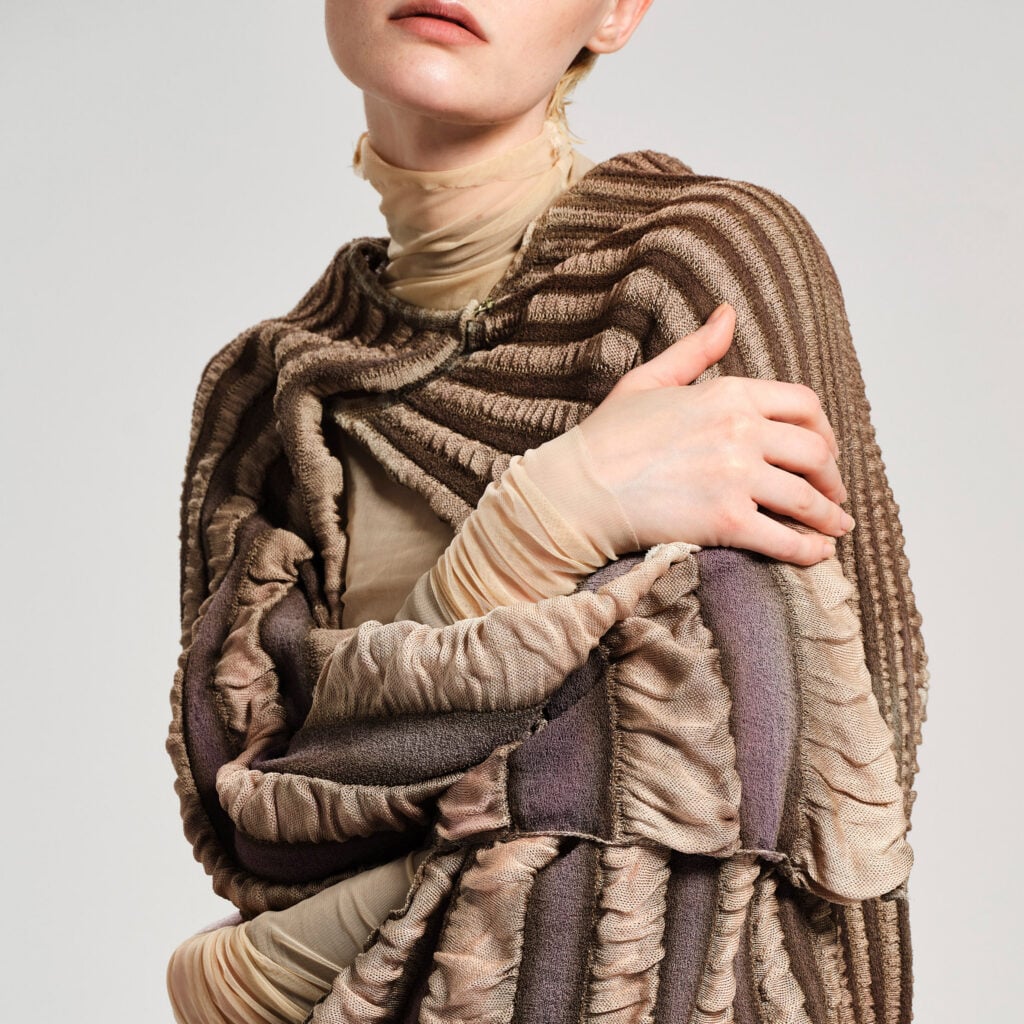
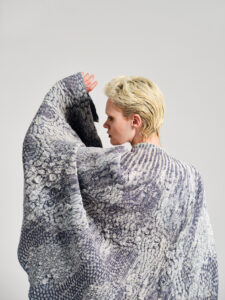
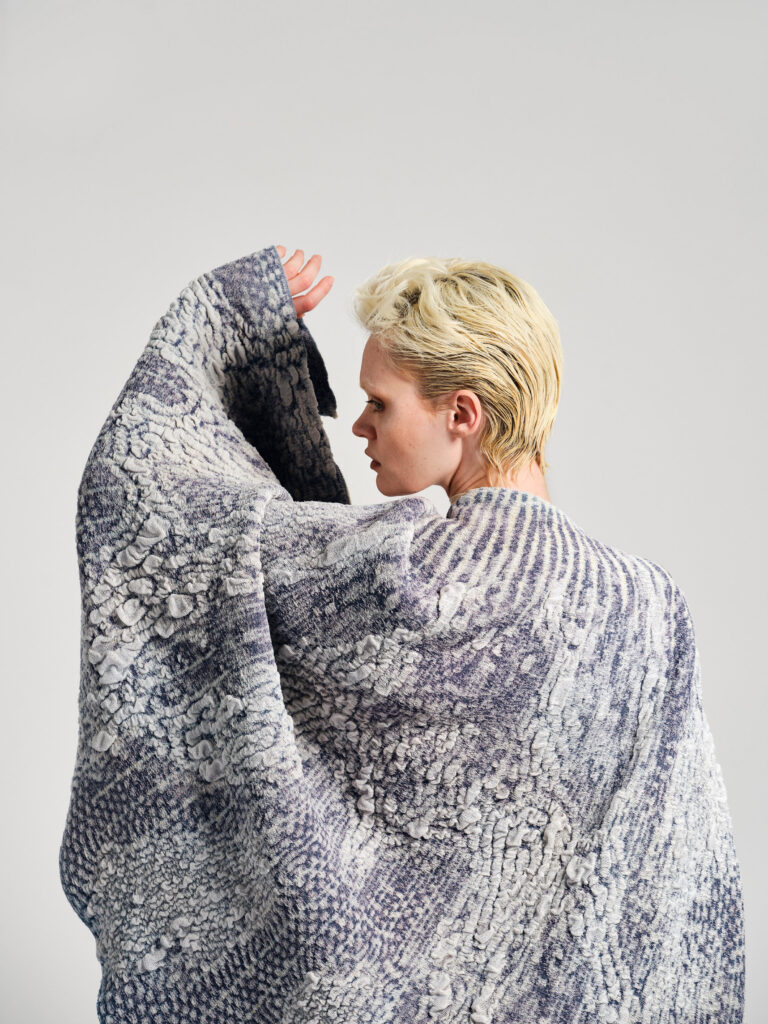
The studio created a series of four capes to demonstrate the technique. They display the variations in the muted colours and patterns created by the bacteria.
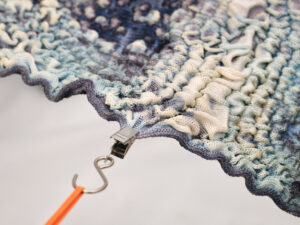
The studio is presenting the process as a possible alternative to “resource-intensive” industrial dyeing processes.
“The result is not simply an alternative way of applying color: the biological process becomes part of the design itself, producing patterns and variations that could not be achieved through conventional dyeing and making each textile an expression of the process that created it,” said Oxman.
It has not undergone extensive Life Cycle Assessment, which measures its environmental outputs, and is still in the prototype stage.
Neri Oxman opened a New York studio in Midtown Manhattan in 2024 and unveiled an AI-designed skyscraper to demonstrate its computational abilities at the time.
The designer is known for her work in material ecology, but she also faced allegations of plagiarism in her PhD thesis completed at the Massachusetts Institute of Technology.
 OEB Architects channels 1980s interiors for London extension
November 4, 2026
 SOM unveils design for luxury waterfront development on Australian pier
November 4, 2026
 Alter design exhibition returns to Tokyo with AI-powered tea ceremony and washi paper furniture
November 4, 2026
 SCAD alumni transform 18th-century staircase into colourful installation during Design Miami Paris
November 4, 2026
 "Direct and unrefined" materials create tactile interior at Jeju restaurant by &Daughters
November 4, 2026
 Tatiana Bilbao creates rammed-earth installation at Art Omi
November 3, 2026
 56 பந்துகளில் 37 ரன் எடுத்த சுப்மன் கில்லை பாராட்டித் தள்ளிய முன்னாள் கேப்டன் அஜிங்க்யா ரஹானே
November 5, 2026
 IND vs NZ: "இந்த 74 ரன் ஒரு செஞ்சுரிக்கு சமம்".. விராட் கோலியை உச்சிமுகர்ந்து பாராட்டிய ரவி சாஸ்திரி
November 5, 2026
 Apple is reportedly cutting budgets for its internal AI usage
November 5, 2026
 After the midterms, a bigger clash over data centers could be coming
November 5, 2026
 Why a US-funded vaccine trial on babies was cancelled in Guinea-Bissau
November 5, 2026
 The NHS is relying more on charities – and that might be creating problems for patients
November 5, 2026