


Written by Roger C. Wiens, SuperCam Principal Investigator for NASA’s Perseverance rover at Purdue University
Nov. 4, 2026
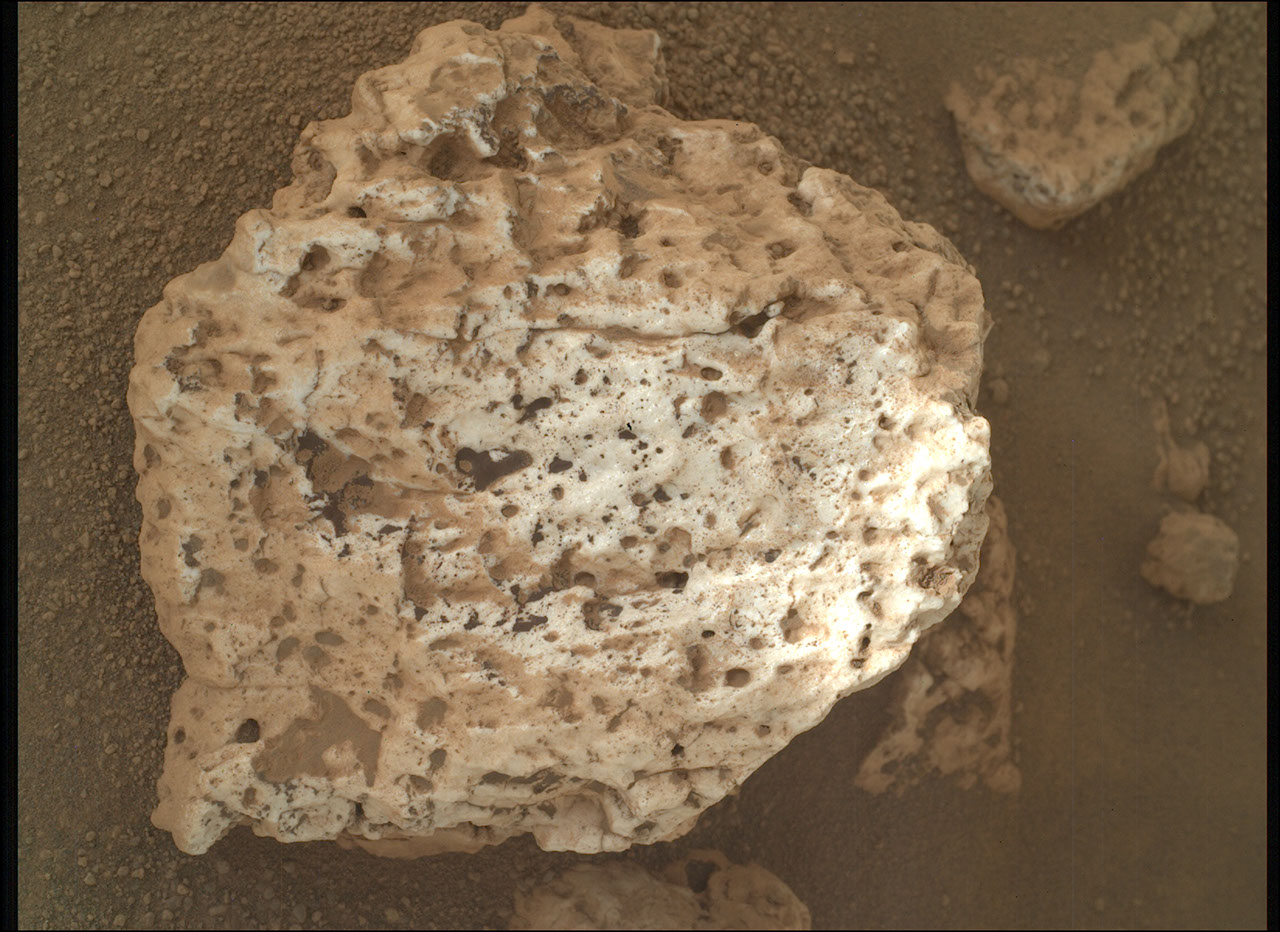
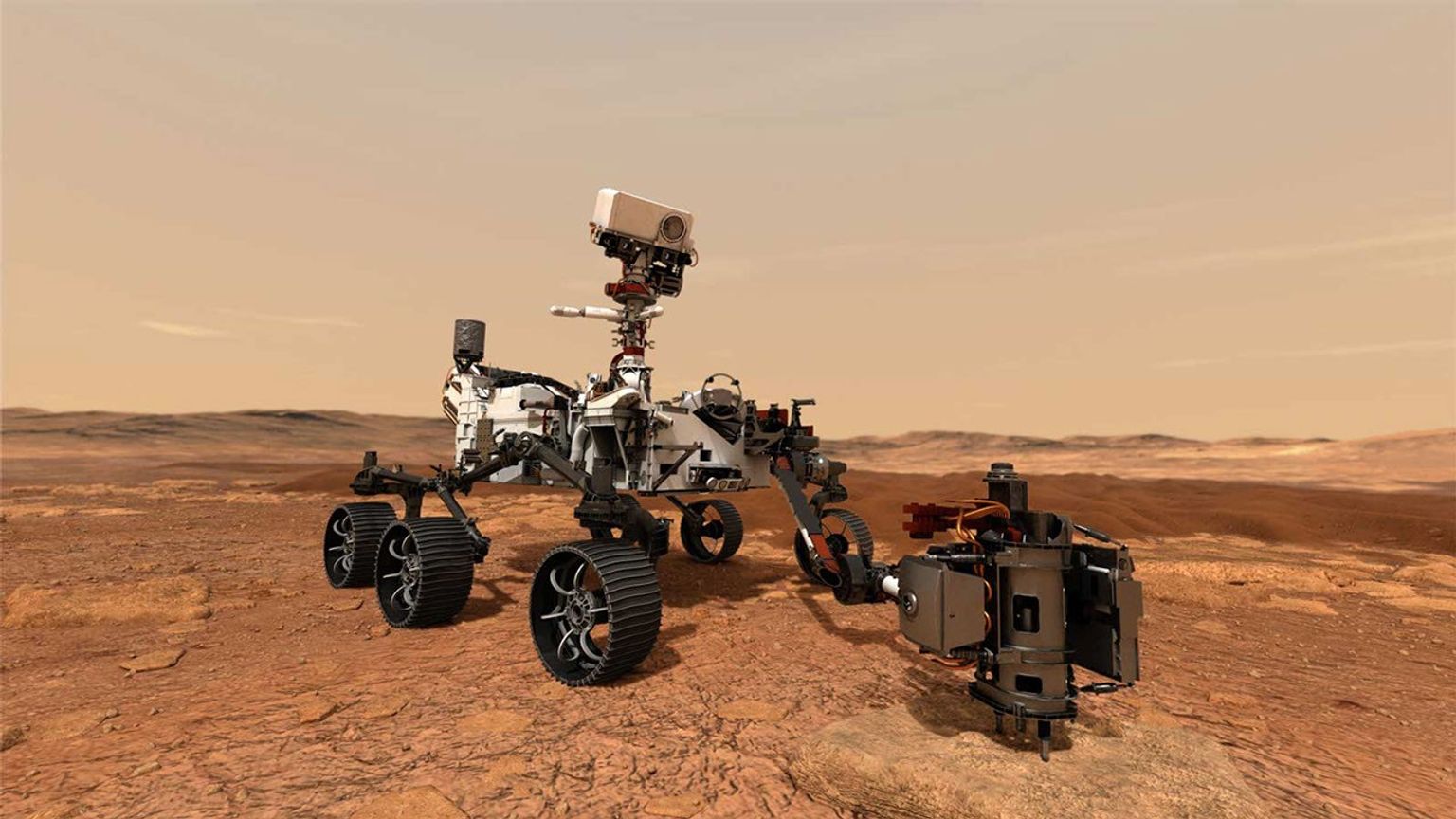
Exploration on Mars turns up the unexpected. Perseverance is equipped with a fantastic set of instruments for studying the rock record of this ancient planet. Both PIXL and SuperCam have great capabilities for detecting all kinds of elements. SHERLOC, SuperCam, and PIXL can detect minerals using various techniques including x-ray fluorescence, Raman, and infrared spectroscopies. As a side benefit of the way SuperCam performs its Raman spectroscopy, it can also study time-resolved luminescence. Normally luminescence occurs over a broad wavelength range (most of Earth’s commercial lighting uses luminescence in some way or another). Two years ago, the SuperCam team was startled to find strong, narrow luminescence peaks at two wavelengths of 692.7 and 694.1 nanometers when they shot a light-colored rock with the laser. This luminescence comes from delayed atomic transitions in chromium atoms present in a corundum mineral structure. SuperCam can time the delay of the atomic transitions via the resulting photons, and so we could verify that this emission came from chromium in corundum. The results were published in Geophysical Research Letters by a team led by Ann Ollila earlier this year, so you can read all about it. The gemstone version of chromium-containing corundum is ruby. Prior to installing SuperCam on Perseverance, we placed a ruby in the laser beam and watched the entire room pulse a brilliant red as SuperCam’s laser beam hit the gemstone; it was extremely bright.
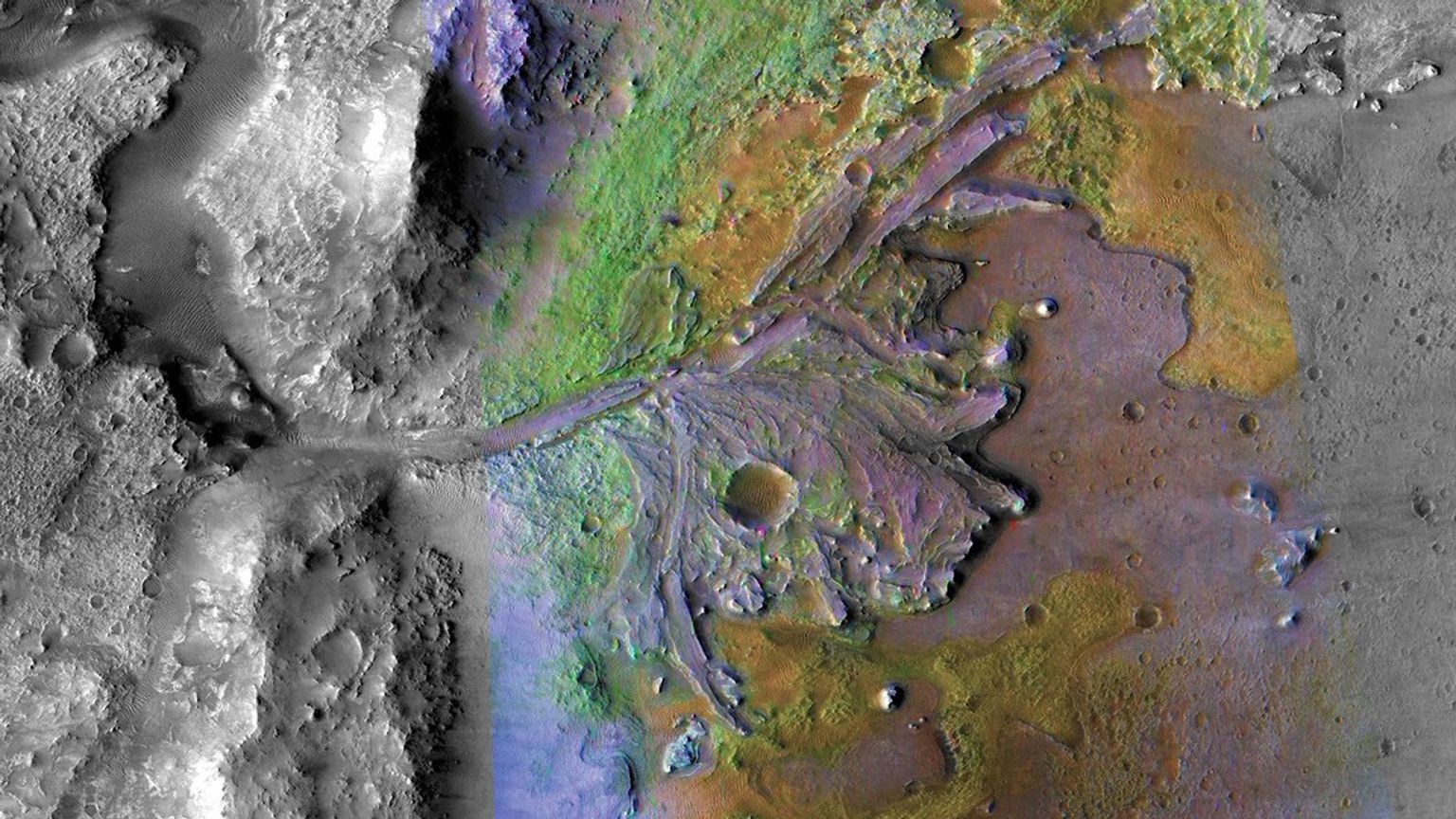
While we haven’t found collectable rubies on Mars yet, the little corundum crystals are helping us learn more about Mars’ past. Corundum is a metamorphic and pegmatitic mineral which we would not expect to find on Mars, a planet that lacks plate tectonics. However, large meteor and asteroid impacts can create local metamorphism due to long-term heating from the impact. Because we are in a very ancient terrain near the rim of Jezero crater, we can expect some evidence of localized metamorphism. As the first mission in such terrain, we are learning new things. Earlier in the mission we tried this technique only rarely; lately we have carried out the time-resolved luminescence observations frequently on light-toned rocks to look for more evidence of impact effects. It’s great to have this unexpected tool on board as we delve further into Mars’ deep past.

Explore More


 NASA Invites Media, Public to Join Voyager 1 One-Light Day Activities
November 10, 2026
 NASA to Welcome Expedition 74 Astronauts Home at Space Center Houston
November 10, 2026
 NASA Scientists Show How Gravitational Waves Can Reveal New Worlds
November 10, 2026
 CHAPEA Crew Leaves a Mark
November 10, 2026
 APOD: 2026 November 10 – Saturn Behind the Moon
November 10, 2026
 Autumn Mornings Bring Valley Fog
November 10, 2026
 The US military seems to be getting nervous about the launch supply crunch
November 10, 2026
 Ring cameras go mobile as Amazon debuts AI-powered security drone and robot
November 10, 2026
 Meghan's father Thomas Markle back in federal custody after allegedly removing ankle monitor
November 10, 2026
 Nvidia hires major New York law firm to investigate Jensen Huang affair
November 10, 2026
Why Purpose-Led Companies Are Outperforming In Volatile Markets
November 10, 2026
 Democrats oppose plan to stack FCC with Republicans, plan probes of Chairman Carr
November 10, 2026